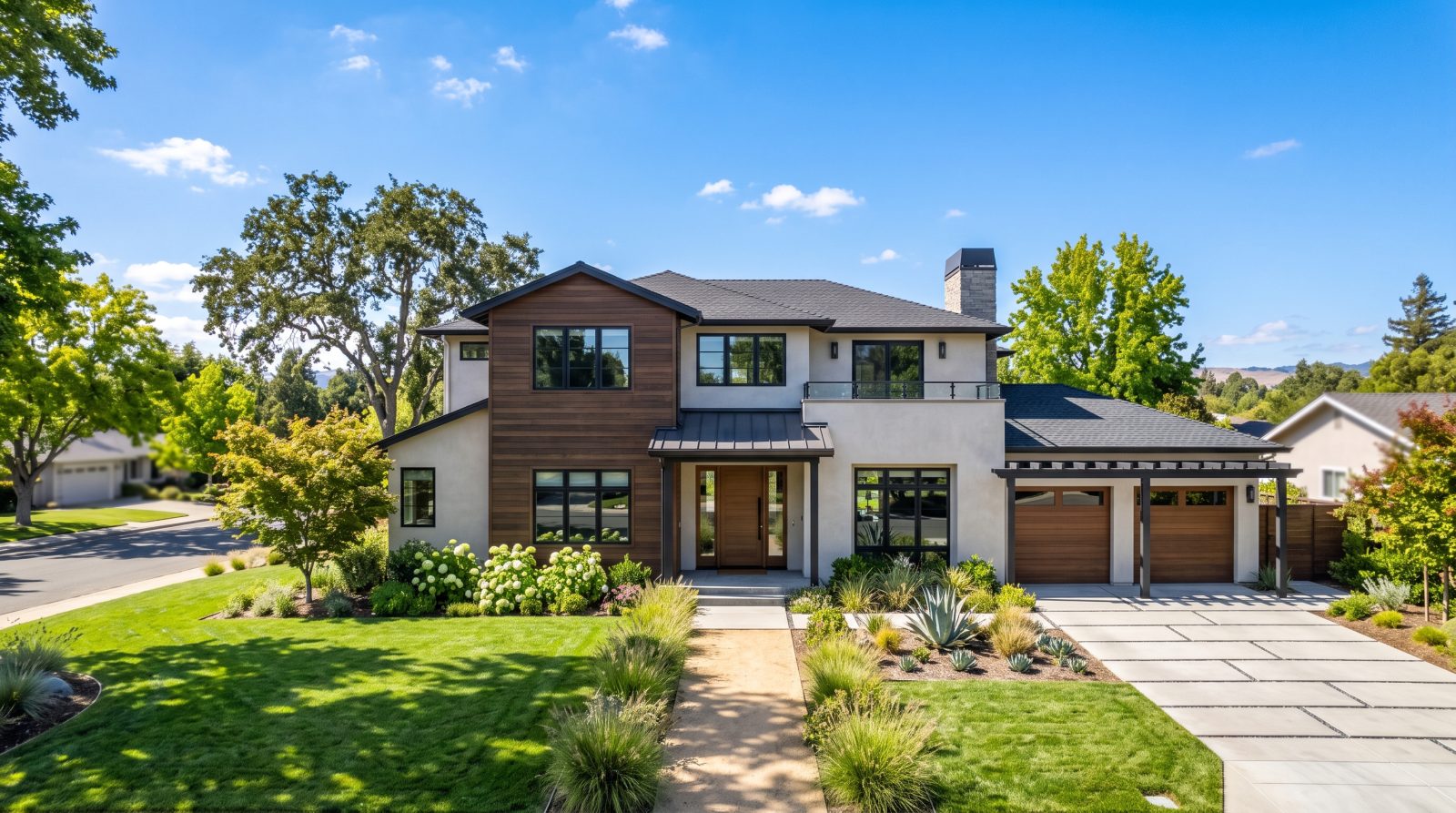
What does remodeling a home in Vacaville typically involve?
A Vacaville remodel usually starts with a walkthrough and scope, moves to design and material selection, then to permitting through the City of Vacaville before any structural, electrical, plumbing, or mechanical work begins. A general contractor manages this sequence: hiring and scheduling subcontractors, ordering materials, calling for required inspections, and keeping the job on a realistic timeline. The city's housing stock shapes what comes up most often. Large swaths of Vacaville were built during the 1980s through the early 2000s in neighborhoods like Browns Valley, Cheyenne, and the areas north and east of downtown, so kitchen and bath updates, flooring replacement, and energy-efficiency upgrades are common requests on homes now reaching the age where original finishes and systems wear out.
Older homes closer to the historic downtown and the Alamo Drive area can carry their own considerations, such as dated electrical panels, original framing, or additions that predate current codes. Newer homes on the east and north edges of the city are generally code-current but are popular candidates for cosmetic remodels, ADUs, and outdoor living spaces. Because Vacaville's climate runs hot and dry in summer relative to the western Bay Area, projects frequently include attention to insulation, attic ventilation, shade, and HVAC capacity. A good contractor will flag these climate and age factors during the estimate rather than after demolition begins.
- Kitchen and bathroom remodels in 1980s–2000s subdivision homes
- Flooring, paint, and interior refresh projects
- Room additions and accessory dwelling units (ADUs)
- Energy-efficiency and HVAC-related upgrades for the hot inland summers
- Repairs and updates to older homes near the downtown / Alamo Drive area
How much do home remodeling projects cost in Vacaville?
Costs vary widely by scope, materials, and the condition of the existing home, so the figures below are typical industry estimate ranges for the Bay Area inland region, not quotes. A licensed contractor should provide a written, itemized estimate after seeing your space. As a general frame: minor cosmetic updates cost far less than projects that move walls, add square footage, or touch plumbing and electrical. Vacaville's labor and material costs tend to sit somewhat below the pricier inner-Bay markets like San Francisco or the Peninsula, though regional supply, permit fees, and project complexity all influence the final number.
Use these ranges to budget and to sanity-check bids, not as a promise of price. A bid far below the typical range may signal missing scope, while a high bid may reflect premium materials or difficult site conditions. Always ask what a number includes: demolition, permits, materials, labor, finishes, and cleanup. Get the payment schedule in writing, and remember that California law limits the down payment a contractor can require on home improvement contracts.
- Bathroom remodel: roughly $12,000–$35,000+ depending on size and fixtures (estimate)
- Kitchen remodel: roughly $25,000–$75,000+ depending on layout changes and finishes (estimate)
- Room addition: often $200–$500+ per square foot depending on complexity (estimate)
- Accessory dwelling unit (ADU): commonly $150,000–$350,000+ depending on size and type (estimate)
- Interior repaint or flooring refresh: typically a few thousand to low five figures (estimate)
Do I need a permit to remodel in Vacaville?
Many remodeling projects in Vacaville require a building permit, which is issued by the City of Vacaville Community Development Department. As a rule of thumb, structural changes, additions, ADUs, new or moved electrical and plumbing, water heater replacements, HVAC changes, and re-roofing generally require permits, while purely cosmetic work like painting or replacing cabinets in the same footprint often does not. This is general guidance, not legal advice, and requirements change. Always verify your specific project with the city before work begins, because the property owner can be held responsible for unpermitted work when selling or insuring the home.
A reputable general contractor will pull the required permits in the contractor's name and schedule the inspections rather than asking you to handle permits yourself, which is often a red flag. Properties in certain areas may face additional review. For example, homes near the urban edge or on hillside lots can involve grading or drainage considerations, and some projects touch fire-related building standards given the wildland-urban interface around parts of Solano County. Confirm with the city whether your address has any overlay zoning, hillside, or fire-area requirements before finalizing a design.
How do I choose a trustworthy general contractor in Vacaville?
Start by confirming the contractor holds an active California license. The Contractors State License Board (CSLB) lets you look up any license number to verify it's current and to check the classification and any disciplinary history. Ask for the license number up front and verify it yourself rather than taking a card at face value. You should also confirm the contractor carries appropriate insurance and, where applicable, workers' compensation coverage, and that they're willing to provide a detailed written contract before collecting payment.
Beyond licensing, look for a contractor who communicates clearly, gives an itemized written estimate, and is familiar with Vacaville and Solano County permitting. Compare more than one bid so you understand the range for your project, and be cautious of pressure to pay large sums in cash up front or to skip permits. Asking for local references and recent project examples is reasonable. Using Contractors Near Me, you can request a free quote and compare matched local pros side by side, which makes it easier to spot an outlier bid or a missing scope item.
- Verify the CSLB license number is active before signing anything
- Get an itemized, written estimate and a clear payment schedule
- Confirm insurance and, where applicable, workers' compensation coverage
- Be wary of large cash-only deposits or requests to skip permits
- Compare multiple local bids to understand the real cost range
Which areas around Vacaville do local contractors serve?
Contractors in the Contractors Near Me network serve neighborhoods across Vacaville and the surrounding Solano County area. That includes established neighborhoods like Browns Valley, North Village, Cheyenne, Foxboro, and the areas around Alamo Drive and the historic downtown, as well as newer development on the city's east and north sides. Vacaville's position along the I-80 and I-505 corridors makes it a practical base for contractors who also work in nearby communities, so many local pros cover a service area that reaches beyond the city limits.
If your home sits in a neighboring Solano County community, ask any matched contractor to confirm they regularly work in your area and are familiar with the relevant jurisdiction's permitting, since requirements differ between the City of Vacaville and surrounding cities or unincorporated county areas. When you request a free quote, you can describe your exact location and project so the match accounts for travel, local permitting, and the specifics of your home.
- Vacaville neighborhoods: Browns Valley, North Village, Cheyenne, Foxboro, downtown / Alamo Drive area
- Nearby Solano County communities along the I-80 / I-505 corridor
- Unincorporated county areas (confirm the contractor knows the right jurisdiction)
- New-construction subdivisions on the east and north sides of the city