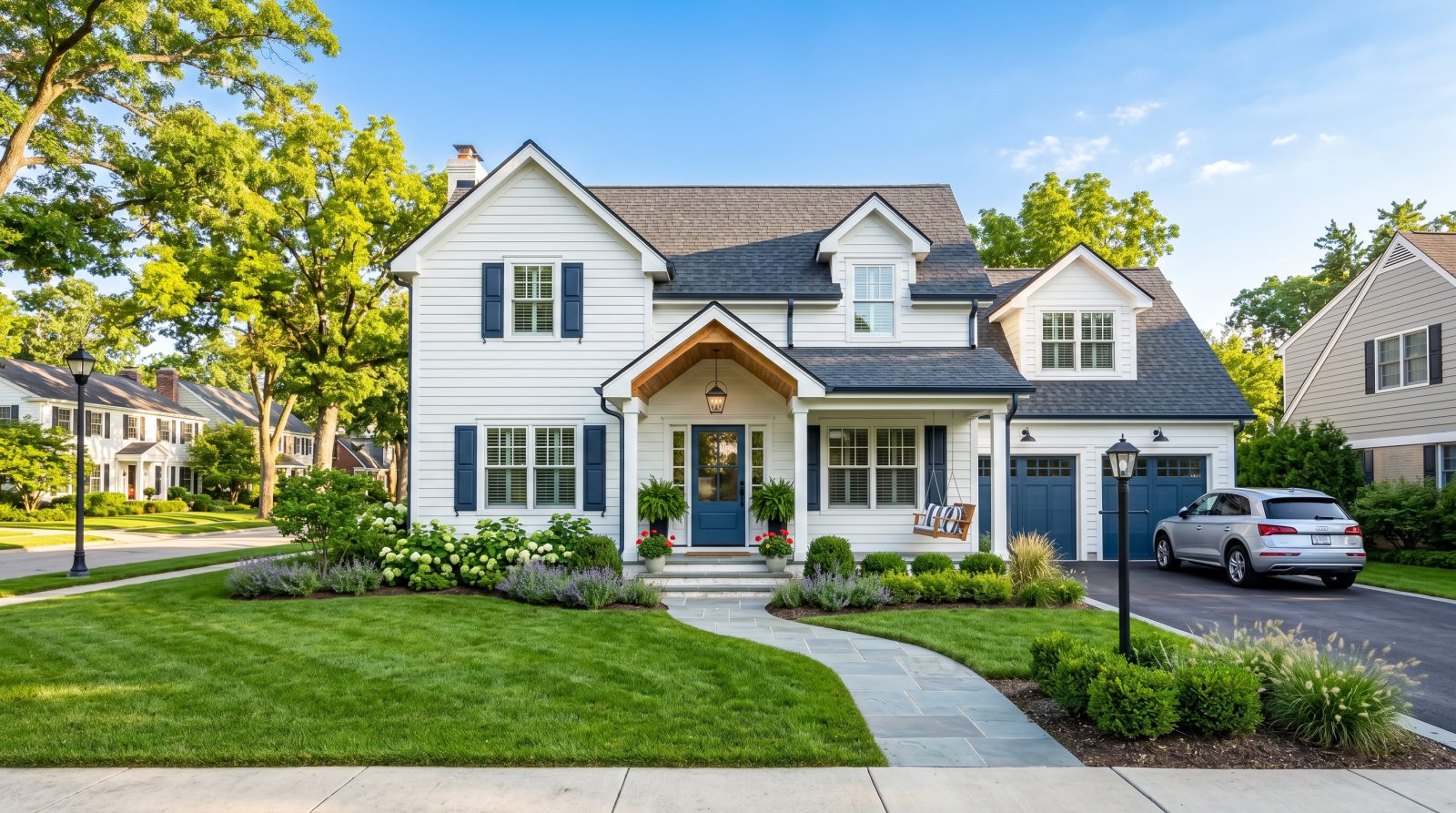
What does an exterior painting project actually include?
A complete exterior painting job is much more than rolling on a new color. A thorough scope generally moves through several stages, and understanding them helps you compare quotes fairly - a low bid that skips prep is rarely a bargain once the paint starts peeling.
Surfaces commonly painted on Bay Area homes include wood and fiber-cement (such as HardiePlank) siding, trim and fascia, eaves and soffits, garage and entry doors, railings, and stucco. Each surface type calls for a different primer and coating system, which is one reason a walkthrough estimate is more reliable than a phone quote.
Ask any contractor to put the prep steps in writing. The difference between a finish that lasts a few years and one that lasts much longer often comes down to how carefully the surface was cleaned, repaired, and primed before the first topcoat went on.
- Inspection and surface assessment - identifying peeling, rot, mildew, failed caulk, and bare wood
- Cleaning - pressure washing or hand-washing to remove dirt, chalking, and mildew so paint can bond
- Repairs - replacing rotted boards, filling cracks, and patching stucco as needed
- Scraping and sanding - removing loose and flaking paint to create a sound surface
- Caulking - sealing gaps around trim, windows, and joints to keep water out
- Priming - spot-priming bare areas or full priming on raw or problem surfaces
- Protection - masking windows, covering plants, and protecting walkways and landscaping
- Painting - typically two finish coats applied by brush, roller, or sprayer
- Cleanup and final walkthrough - inspecting coverage and touch-ups with you
How much does exterior painting cost in the Bay Area?
Exterior painting in the Bay Area is most often priced as a single project total based on the square footage of paintable surface, the condition of that surface, and access challenges like height and steep lots. As a typical industry estimate range, many single-family repaints fall somewhere around $4,000 to $12,000, with smaller homes or simple one-story jobs sometimes lower and large, multi-story, or heavily detailed homes running higher. These are typical ranges to help you budget, not quotes - your actual price depends on your home and the contractor you choose.
Several factors push a project toward the higher or lower end of that range. The amount of prep is often the biggest swing: extensive scraping, wood repair, or lead-safe handling on older homes adds labor. Paint quality matters too - premium acrylic coatings cost more per gallon but tend to hold up better against Bay Area sun and fog.
Because pricing varies so much by home, the most useful step is to get two or three itemized written estimates that each spell out prep, number of coats, paint product, and warranty terms. That lets you compare scope to scope rather than just comparing bottom-line numbers.
- House size and paintable square footage - larger surfaces mean more labor and material
- Number of stories - second and third stories require staging, ladders, or lifts
- Surface condition - heavy scraping, sanding, and wood repair add significant labor
- Surface type - stucco, wood, and fiber-cement each need different prep and product
- Paint quality and number of coats - premium coatings and full two-coat systems cost more
- Lead-safe practices - homes built before 1978 may require certified containment and cleanup
- Access and site complexity - steep lots, tight side yards, and detailed trim slow the work
How long does exterior painting take, and what's the right time of year?
For an average single-family Bay Area home, exterior painting commonly takes about 3 to 6 working days, though larger or more detailed homes can run a week or more. The schedule splits roughly into prep and painting: cleaning, scraping, repairs, and priming often take as long as - or longer than - the actual color coats, especially on older or weathered houses.
Weather is a key scheduling factor. Most exterior coatings need dry conditions and temperatures generally above the manufacturer's stated minimum (often around 50 degrees F) to cure properly, and surfaces should be dry before painting. In the Bay Area, the long dry stretch from late spring through early fall is a popular painting window, while the rainy winter months can cause delays.
Coastal and fog-belt neighborhoods add a wrinkle: morning marine layer and dampness can shorten the usable painting hours each day, so crews often start later once surfaces dry. A good contractor will build realistic weather contingencies into the timeline rather than promise a fixed finish date regardless of conditions.
How do I choose a reliable exterior painting contractor?
Choosing the right painter is mostly about verifying credentials and reading the scope carefully. In California, painting contractors are typically expected to hold a state license through the Contractors State License Board (CSLB) for projects above the state's minimum threshold, and you can and should verify a contractor's license status yourself directly with the CSLB before signing. Confirming licensing, bonding, and insurance helps protect you if something goes wrong.
Beyond credentials, the written estimate tells you a lot about how the job will go. A detailed proposal that specifies surface prep, the primer and paint products by name, the number of coats, what is and isn't included, and the warranty terms reflects a contractor who has actually inspected your home. Vague one-line quotes make it hard to compare and easy to be surprised later.
This page is educational and not legal advice. Licensing rules, permit requirements, and HOA approvals can vary by city and situation, so verify the specifics for your jurisdiction and property before work begins.
- Verify the contractor's license status directly with the California CSLB
- Ask for proof of liability insurance and any required bonding
- Get an itemized written estimate covering prep, products, coats, and warranty
- For pre-1978 homes, ask how lead-safe work practices will be handled
- Clarify color selection, the policy for hidden rot or surprises, and the change-order process
- Confirm who is on-site daily and how cleanup and protection of landscaping is handled
Get connected with a Bay Area exterior painter
Contractors Near Me helps homeowners across the San Francisco Bay Area connect with local exterior painting contractors so you can compare scopes and estimates for your specific home. Because exterior painting prices and timelines depend heavily on your house's size, condition, and location, a useful next step is a free quote based on an actual look at your property rather than a generic number.
To get the most useful estimates, have a few details ready: your home's approximate square footage and number of stories, the main siding or surface type, any known problem areas like peeling or wood rot, and the rough timeframe you're hoping to paint in. Sharing photos can help a contractor give you a more accurate range before they visit.
When you're ready, request a free quote and we'll help you connect with local painting contractors who can walk your home, explain their prep and coating system, and give you a written estimate to compare.