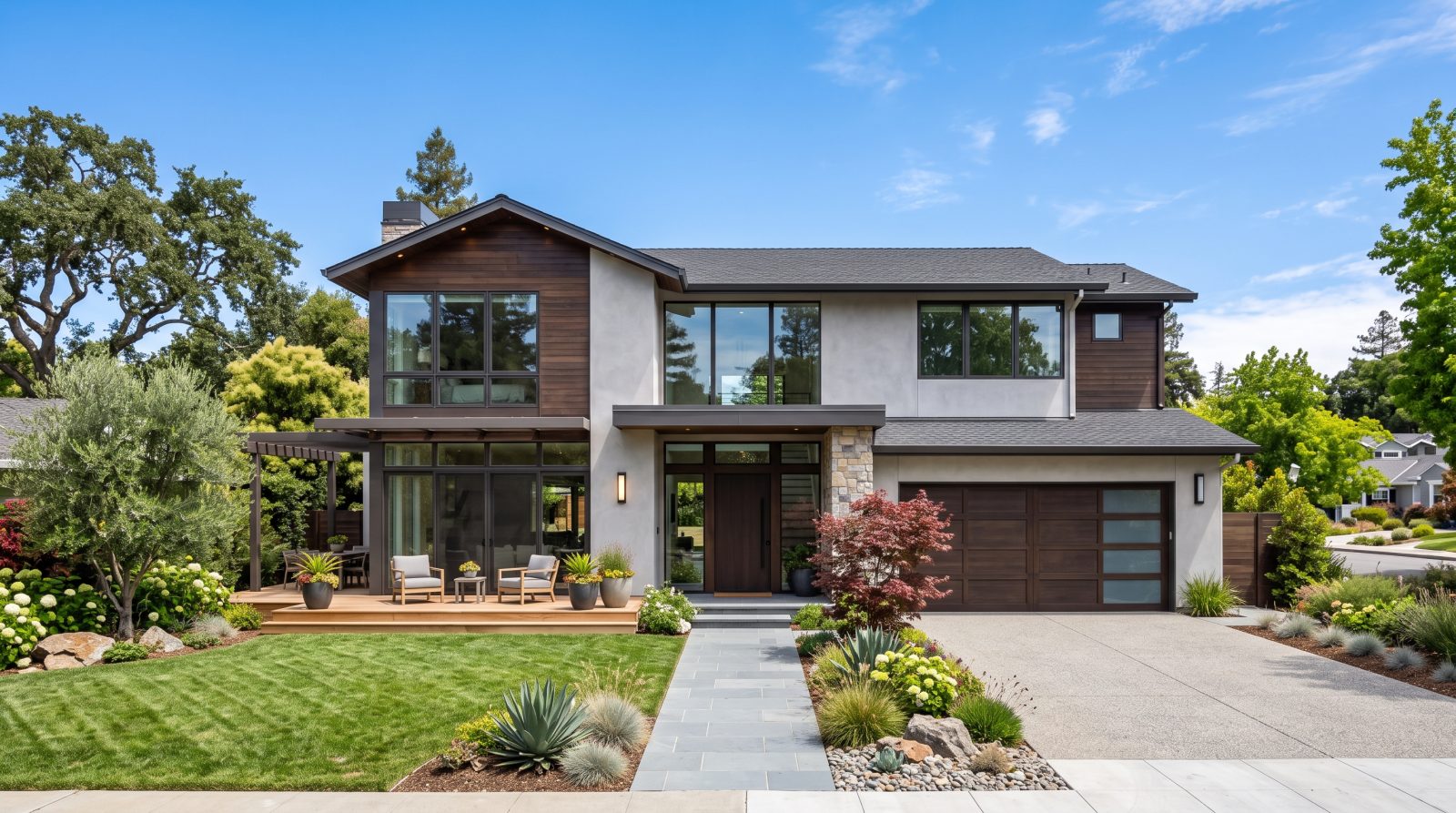
What home remodeling looks like in Palo Alto
Palo Alto sits at the heart of the Midpeninsula in Santa Clara County, between Stanford University to the west and the bay to the east, and its neighborhoods each shape the kind of remodeling work homeowners take on. Professorville and Old Palo Alto are known for early-1900s Craftsman and period homes where renovations often focus on preserving character while updating systems. South Palo Alto neighborhoods such as Greenmeadow, Fairmeadow, and Greer Park include many mid-century Eichler homes, whose post-and-beam construction, flat or low-slope roofs, and floor-to-ceiling glass call for contractors familiar with that specific style. Areas like Midtown, Barron Park, and Crescent Park add a wide range of ranch and two-story homes from the 1940s through today.
Because so much of the city's housing was built decades ago, common Palo Alto projects include kitchen and bathroom remodels, room additions and second-story additions, accessory dwelling units (ADUs), foundation and seismic upgrades, and electrical and plumbing modernization. Eichler owners frequently look at radiant-heat floor repairs, roof replacement, and energy upgrades that respect the home's open design. Whatever the scope, working with a contractor who understands Palo Alto's lot sizes, mature trees, and design expectations tends to make the process smoother.
- Professorville / Old Palo Alto: period homes, character-sensitive renovations
- South Palo Alto (Greenmeadow, Fairmeadow, Greer Park): mid-century Eichler updates
- Midtown, Barron Park, Crescent Park: ranch and two-story remodels and additions
- Common scopes: kitchens, baths, additions, ADUs, seismic and systems upgrades
How do permits and approvals work for Palo Alto remodels?
Most structural, electrical, plumbing, and mechanical work in Palo Alto requires a permit through the City of Palo Alto Development Services Department, which handles building permits and inspections. Smaller cosmetic work—like painting, flooring, or replacing cabinets in the same footprint—often does not need a permit, while anything that changes the structure, moves walls, alters the footprint, or touches major systems typically does. Your contractor can usually tell you which path your project falls into, but homeowners should confirm requirements directly with the city.
Palo Alto also has its own planning and zoning considerations that can affect a project's design and schedule. Single-family lots have setback, height, and floor-area (FAR) limits, and the city has a tree-protection ordinance that regulates work near protected and certain street trees—something that matters on many tree-lined Palo Alto lots. Homes in designated historic categories or in eligible historic areas may face additional review. Permit and review timelines vary with project size and how busy the department is, so build in time for plan check and possible revisions. None of this is legal advice; verify current rules, fees, and processing times with the City of Palo Alto before you commit to a scope.
- Permits: handled by City of Palo Alto Development Services (building permits + inspections)
- Usually permit-required: additions, structural changes, moving walls, major electrical/plumbing
- Often no permit: cosmetic finishes and like-for-like replacements (verify locally)
- Watch for: setback/height/FAR limits, the tree-protection ordinance, and possible historic review
How long do Palo Alto remodeling projects typically take?
Timelines depend on scope, permitting, and design complexity, and the figures below are typical industry ranges rather than guarantees for any specific home. A straightforward bathroom remodel commonly runs a few weeks of active construction once materials are on site, while a full kitchen remodel often takes longer because of cabinetry lead times, plumbing and electrical changes, and inspections. Room additions and second-story additions usually span several months from design through final inspection, and that is before counting the design and permitting phase, which in a planning-heavy city like Palo Alto can add meaningful time on its own.
A useful way to plan is to think of a project in phases: design and planning, permitting and plan check, construction, and inspections and closeout. On older Palo Alto homes—Eichlers and pre-war houses especially—it's common to uncover surprises behind walls, such as outdated wiring, galvanized plumbing, or non-current framing, which can extend a schedule. Tree-protection requirements, neighbor and setback constraints on smaller lots, and material lead times can all influence the calendar, so ask any contractor to walk you through a realistic phase-by-phase timeline for your particular project.
- Bathroom remodel: often a few weeks of active build (typical estimate)
- Kitchen remodel: longer, driven by cabinetry lead times and inspections
- Additions / second stories: commonly several months, plus design and permitting
- Plan for hidden conditions in older homes and added time for plan check
What do home remodeling projects typically cost in Palo Alto?
The costs below are typical industry estimate ranges to help you plan and budget—they are not quotes, and the only way to know your real number is a written estimate from a contractor who has seen your home. Palo Alto and the broader Bay Area generally sit at the higher end of national cost ranges because of local labor, materials, permit fees, and the design expectations common in the area. Final pricing depends on finishes, the condition of existing systems, structural work, and how much of the scope is custom.
As a planning reference, mid-range bathroom remodels and kitchen remodels in higher-cost metros like the Bay Area often span a wide range depending on size and finish level, with kitchens typically costing more than baths because of cabinetry, appliances, and plumbing. Room additions and ADUs are usually priced by square footage and complexity and tend to be among the larger investments a homeowner makes. Foundation, seismic, and systems upgrades vary widely with the home's age and condition. Because ranges are broad, ask for a line-item estimate so you can see allowances for materials, labor, permits, and contingencies, and treat any single number you see online as a starting point rather than a firm price.
- All figures are typical estimate ranges, not quotes—get a written estimate
- Bay Area costs trend higher due to local labor, materials, and permit fees
- Kitchens generally cost more than bathrooms (cabinetry, appliances, plumbing)
- Additions and ADUs are usually priced by square footage and complexity
Choosing and working with a Palo Alto contractor
When you connect with a contractor for a Palo Alto project, a few steps help protect your investment. Confirm that the contractor holds an active California contractor license appropriate to your scope—homeowners can verify a license directly through the California Contractors State License Board (CSLB)—and ask how permitting and inspections will be handled. A good fit for Palo Alto work will be comfortable with the city's permit process, setback and tree-protection rules, and the realities of remodeling older or mid-century homes.
Before work begins, it's reasonable to ask for a written, line-item estimate, a clear scope of work, a payment schedule tied to milestones, and proof of the insurance the project requires; specifics should be verified with the contractor and confirmed in your contract. Get more than one estimate so you can compare scope and approach, not just price, and make sure each bid covers the same work. When you're ready, request a free quote through Contractors Near Me and we'll help you connect with local Bay Area contractors for your Palo Alto home.
- Verify the contractor's California license with the CSLB for your scope
- Ask how permits, inspections, and tree-protection rules will be handled
- Request written, line-item estimates and compare matching scopes
- Confirm contract terms, payment milestones, and required insurance before work starts