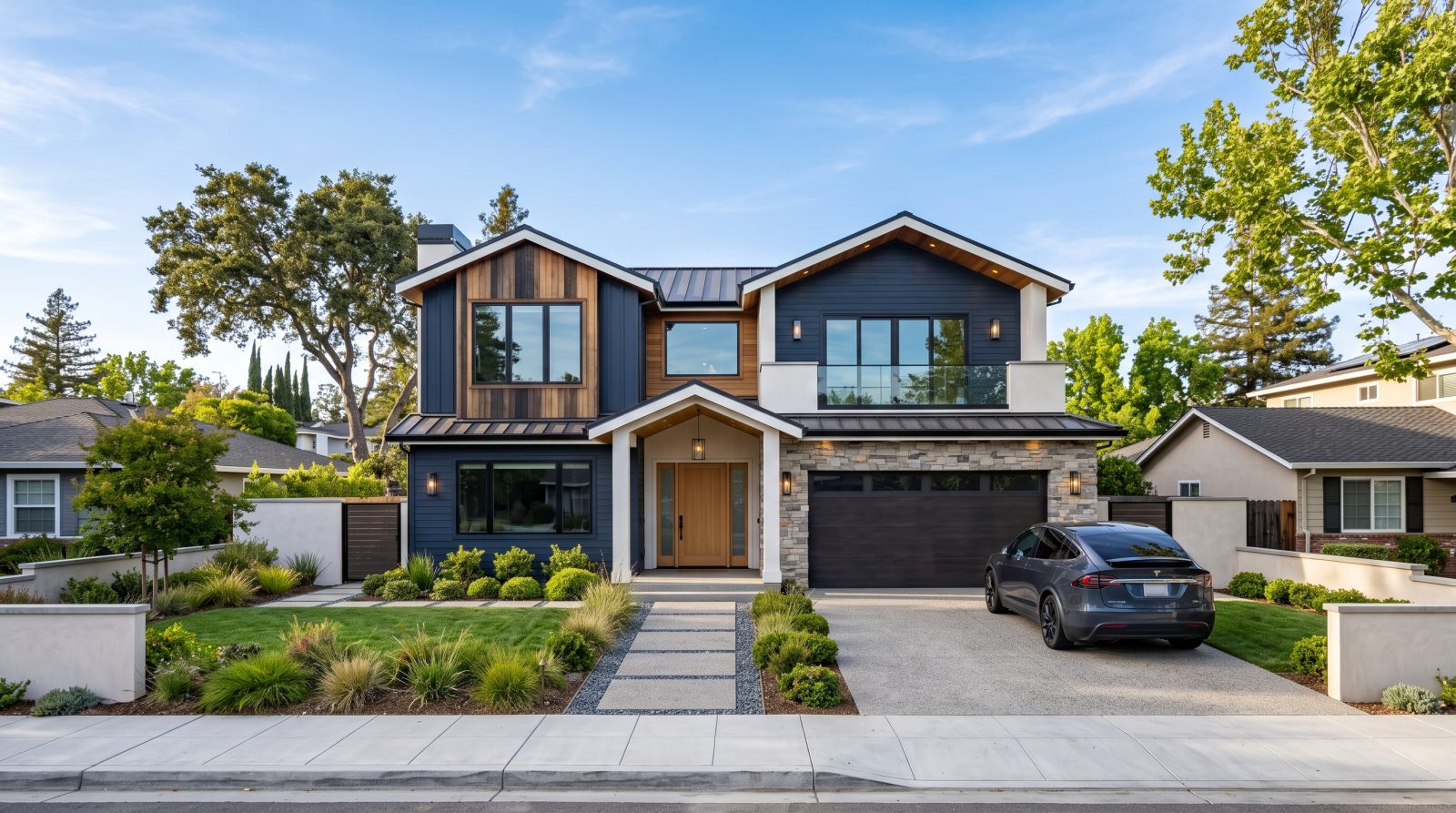
What home remodeling is common in Milpitas?
Milpitas housing reflects several distinct building eras, and the remodeling work tends to follow the housing stock. In established neighborhoods like Sunnyhills and the older tracts west of the hills, many homes date to the 1950s and 1960s, including ranch-style and mid-century houses with original layouts. Updates here often focus on opening up compartmentalized kitchens, modernizing single-bathroom floor plans, replacing aging galvanized or cast-iron plumbing, and upgrading electrical panels that were sized for a much smaller appliance load than today's homes carry.
In the hillside neighborhoods along the eastern edge of the city, near the foot of the Diablo Range foothills, homeowners more often deal with sloped lots, retaining walls, and drainage. Projects in these areas can involve grading, foundation work, and exterior improvements suited to the terrain. Closer to the Transit Area, McCarthy Ranch, and the corridors near the Great Mall and Milpitas BART station, newer townhomes and condos are more common, where interior remodels, flooring, and finish updates are typical rather than structural changes, and an HOA may govern the work.
Because Milpitas spans these different stock types, the right scope varies a lot by neighborhood. A free quote lets you describe your specific home and get a local contractor's read on what your project realistically involves.
- Kitchen and bathroom remodels in 1950s and 1960s ranch and mid-century homes
- ADUs and in-law units to add space on single-family lots
- Electrical panel upgrades and re-piping in older homes
- Foundation, retaining wall, and drainage work in hillside and creek-adjacent areas
- Flooring, finishes, and interior updates in newer Transit Area townhomes and condos
Do I need a permit to remodel in Milpitas?
Many remodeling projects in Milpitas require a building permit issued by the City of Milpitas Office of Building Safety. As a general rule across California jurisdictions, permits are typically needed for structural changes, additions, new or relocated electrical and plumbing, water heater and HVAC replacements, re-roofing, and ADU construction. Cosmetic work such as painting, flooring, or cabinet replacement that doesn't alter structure, wiring, or plumbing often does not require a permit, but requirements vary by project and can change, so this should always be confirmed with the City before work starts.
Milpitas is also subject to Santa Clara County and California Title 24 energy standards, and projects near the foothills or Coyote Creek may face additional considerations such as grading, drainage, or geologic review. Homes in HOA-governed townhome and condo communities near the Transit Area often have their own architectural approval process on top of city permits.
Permitting and licensing rules are a matter of local regulation, and this page is educational rather than legal advice. A licensed Milpitas-area general contractor can typically tell you which permits a project needs and is often the party who pulls them, but you should independently verify both the contractor's license and the permit status for your job.
- Permits typically apply to structural work, additions, ADUs, and new electrical, plumbing, or HVAC
- Cosmetic-only work often does not require a permit, but confirm with the City
- Title 24 energy standards and possible grading or drainage review near the hills and creek
- HOA architectural approval may apply in Transit Area townhome and condo communities
How much do remodeling projects typically cost in the Bay Area?
The figures below are typical industry cost ranges for the Bay Area, presented as educational estimates and not quotes, to help you budget. Actual pricing depends on your home's age and condition, the scope and finishes you choose, structural and permit requirements, and current labor and material costs, all of which tend to run higher in the South Bay than national averages. The only reliable number for your project is a written estimate from a contractor who has seen the work.
Milpitas-specific factors can move costs in either direction. Older homes in the city's mid-century tracts sometimes reveal outdated wiring, plumbing, or unpermitted past work once walls are opened, which can add scope. Hillside lots may require extra foundation or drainage work. Higher-end finishes and full layout changes raise costs, while updating within an existing footprint generally keeps a project at the lower end of its range.
To compare real numbers for your home, request a free quote and describe your project. Local contractors can give you an estimate grounded in your actual scope rather than a generic range.
- Bathroom remodel: typically a mid-four-figure to low-five-figure range, depending on scope and finishes (estimate, not a quote)
- Kitchen remodel: commonly a low- to mid-five-figure range, higher with structural changes or premium finishes (estimate)
- ADU or in-law unit: often a five- to six-figure range depending on size, site work, and utilities (estimate)
- Whole-home or systems updates (electrical, plumbing, HVAC): varies widely with the home's age and condition (estimate)
- Bay Area labor and material costs generally run above national averages
How do I choose a general contractor in Milpitas?
Start by confirming the contractor holds an active California license for the type of work you need. In California, most home remodeling that exceeds a small dollar threshold must be performed by a contractor licensed by the Contractors State License Board (CSLB), and you can verify a license, its classification, and its status directly. We don't publish license numbers or vouch for specific firms; verifying credentials is a step you should take yourself before hiring.
Beyond licensing, it helps to ask any Milpitas contractor about experience with your home's era and your neighborhood's conditions. A contractor who regularly works on the city's mid-century tracts will be familiar with the wiring, plumbing, and layout quirks of those homes; one who works in the hillside neighborhoods will understand local foundation and drainage needs; and a contractor experienced with the Transit Area's townhomes and condos will know how to navigate HOA approvals. Get the scope, timeline, and payment terms in writing, and make sure the plan accounts for any permits the project requires.
Because Milpitas is part of the broader South Bay market, you'll often find contractors who also serve nearby San Jose, Fremont, and the rest of Santa Clara County. Requesting a free quote through Contractors Near Me lets you describe your project once and compare local options.
- Verify the contractor's California (CSLB) license, classification, and status yourself
- Ask about experience with your home's era and your specific Milpitas neighborhood
- Get scope, timeline, and payment terms in writing before work begins
- Confirm who is responsible for pulling required permits
Getting started on your Milpitas project
Whether you're updating a mid-century kitchen in Sunnyhills, adding an ADU on a single-family lot, addressing drainage on a hillside property, or refreshing a townhome near the Great Mall, the first step is defining your scope and getting a clear, written estimate from a licensed local contractor. Knowing whether your project needs a permit, and what the work realistically involves for your home's age and location, helps you budget and avoid surprises once the project is underway.
Contractors Near Me connects Milpitas homeowners with local general contractors across the South Bay. Tell us about your project and request a free quote. There's no phone number to call; just submit your project details through the free-quote form and we'll help you connect with contractors who serve Milpitas and the surrounding Santa Clara County area. Always verify any contractor's license and required permits before committing to the work.