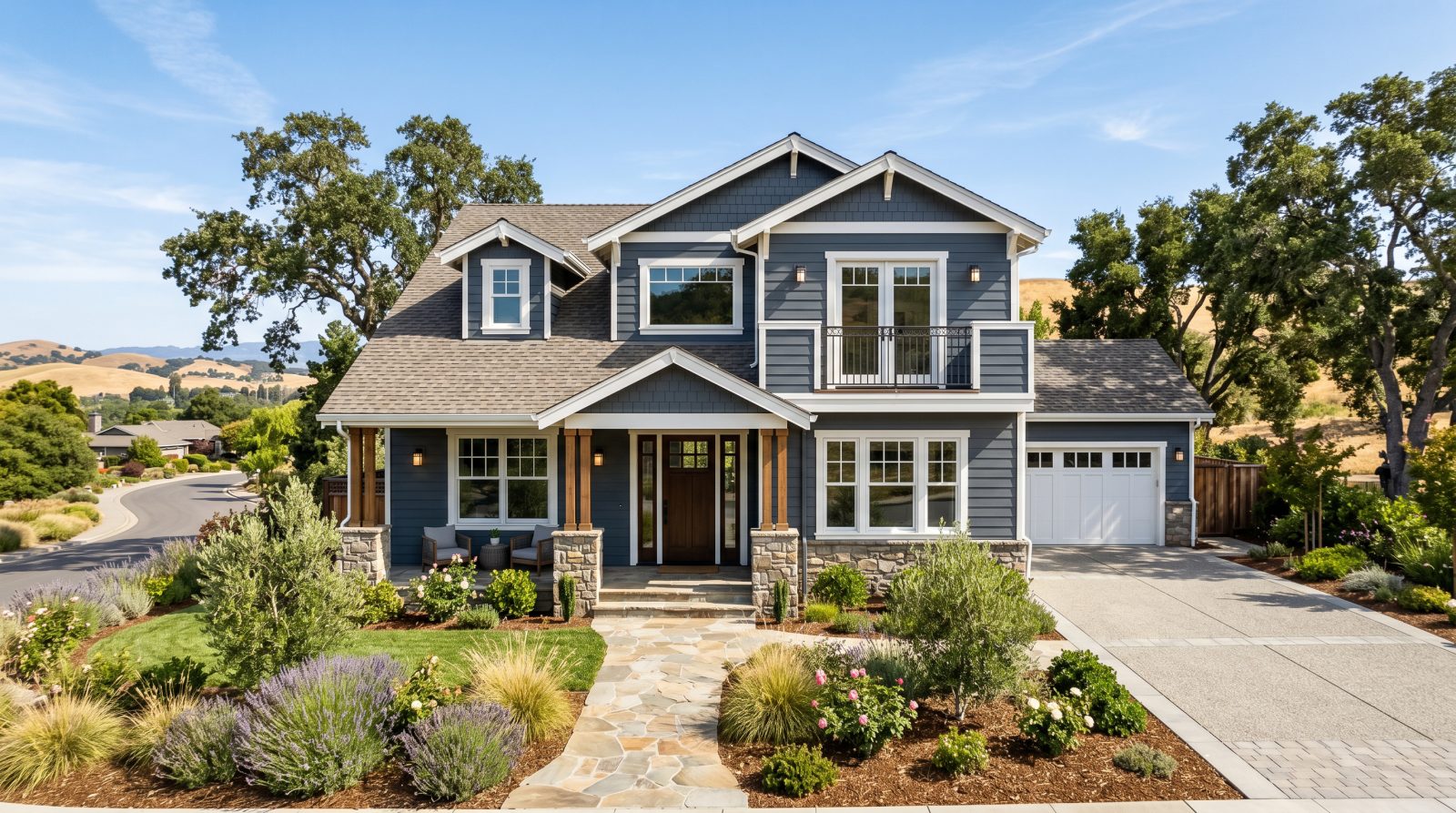
What's it like to remodel a home in Petaluma?
Remodeling in Petaluma is shaped by the city's age, its river, and its split personality between the historic west side and the growing east side. Petaluma is one of the few Bay Area cities whose downtown and surrounding Victorian neighborhoods came through the 1906 earthquake largely intact, helped by stable bedrock beneath the region, which is part of why so many original 19th- and early-20th-century homes are still standing today. That history is an asset, but it also means many west-side houses carry the realities of older construction: knob-and-tube wiring, galvanized or cast-iron plumbing, lath-and-plaster walls, sloping foundations, and additions layered on over a century. Renovations on these homes tend to uncover surprises once walls open up, so experienced local contractors typically build in contingency and plan around what they can't see.
The east side of Petaluma, built out heavily from the late 20th century onward, tells a different story. Homes there are generally newer tract and subdivision construction with more predictable framing, wiring, and layouts, where remodels lean toward updating kitchens and baths, opening up floor plans, and adding square footage rather than rehabilitating century-old systems. Across the whole city, Petaluma's location in the coastal fog corridor of the Petaluma Gap means moisture management, ventilation, and weather-resistant materials matter more than they would inland.
Whatever side of town you're on, a good first step is matching the contractor to the project. Restoring a downtown Victorian or working within a historic district calls for someone comfortable with older homes and design review, while a kitchen refresh in a newer east-side home is a more standard scope. Confirm that any contractor you consider is properly licensed and that the permits required for your project are in hand before work begins.
Which Petaluma neighborhoods and home styles do contractors work in?
Petaluma's neighborhoods vary widely, and the type of work that makes sense usually follows the era and style of the home. Knowing where your house sits helps set realistic expectations for scope, cost, and review.
- West side and the A Street area near downtown: some of the city's oldest homes, with Italianate, Queen Anne, and other Victorian styles. Work here often involves restoration, careful additions, and systems upgrades, frequently under historic-district considerations.
- Oakhill-Brewster Historic District north and west of downtown: a dense mix of Victorians, early Craftsman bungalows, and cottages where preserving exterior character is often a priority.
- Older central neighborhoods near the core: established homes of varied vintages, common candidates for kitchen and bath remodels, foundation and systems work, and thoughtful additions.
- East Petaluma subdivisions: newer tract homes from the late 20th century onward, where popular projects include kitchen and bath updates, opening up floor plans, and room or second-story additions.
- Properties near the Petaluma River: homes where contractors tend to pay extra attention to drainage, moisture, and grading.
How do permits and the building process work in Petaluma?
Most meaningful remodeling work in Petaluma requires permits issued by the City of Petaluma, since Petaluma is an incorporated city with its own building and planning departments rather than relying on the county. As a general rule, structural changes, additions, electrical and plumbing work, water heater and HVAC replacements, re-roofs, and major kitchen or bathroom remodels typically require permits, while purely cosmetic work like painting or replacing cabinet fronts often does not. Because rules change and every project is different, you should verify the specific permit requirements for your scope with the city before starting.
Petaluma adds a layer many newer Bay Area cities don't: historic preservation. Homes within recognized historic districts, such as the city's well-known Victorian neighborhoods, can be subject to additional design review when exterior changes are proposed, which can affect timelines and even details like paint, materials, or window styles. If your home is historic or in one of these districts, factor in extra time for review and choose a contractor familiar with the process.
Permits exist to protect you. A permitted, inspected project creates a paper trail that supports resale and confirms the work met code, while unpermitted work can create problems when you sell or insure the home. A licensed local contractor can usually help identify which permits apply, though final responsibility for verifying requirements rests with the property owner. Remember that this information is educational and not legal advice; confirm licensing, permit, and historic-review specifics with the appropriate authorities for your project.
What do remodeling projects typically cost in Petaluma?
The figures below are typical industry estimate ranges to help with early planning. They are not quotes. Actual pricing in Petaluma depends on the age and condition of your home, the scope and finishes you choose, structural and systems surprises common in older west-side houses, permit and design-review requirements, and current labor and material costs. North Bay labor and Bay Area material costs generally place projects toward the higher end of national ranges. The only way to know your real number is a detailed, written estimate from a licensed contractor who has seen your home.
Costs also tend to climb when a project uncovers the kind of hidden conditions that older Petaluma homes are known for, such as outdated wiring, deteriorated plumbing, foundation settlement, or past additions that weren't built to current standards. Building a contingency into your budget is a sensible practice, especially for homes built before modern codes.
- Bathroom remodel: commonly ranges from roughly $15,000 to $40,000+ depending on size, layout changes, and finishes (estimate only, not a quote).
- Kitchen remodel: commonly ranges from roughly $30,000 to $100,000+ depending on scope, cabinetry, and appliances (estimate only, not a quote).
- Room addition: commonly ranges from roughly $250 to $500+ per square foot depending on complexity and finishes (estimate only, not a quote).
- Whole-home renovation: varies widely and is highly dependent on size, condition, and how much of the home's systems are addressed (estimate only, not a quote).
- Older-home systems upgrades (electrical, plumbing, foundation): priced case by case and often discovered mid-project in historic homes (estimate only, not a quote).
How do I choose and connect with a Petaluma contractor?
Start by matching the contractor to your home and project. A downtown Victorian restoration, an east-side kitchen remodel, and a riverside-property addition each reward different experience, so look for someone who has done work like yours in Petaluma or the North Bay. Ask to see examples of comparable projects and how they handled permitting and, where relevant, historic review.
Before committing, verify that the contractor holds an active, appropriate license in California and confirm that the permits your project needs will be pulled. Get the scope, materials, timeline, and payment schedule in writing, and make sure responsibilities around permits and inspections are spelled out. Treat any timeline or price as an estimate until it's documented in a signed agreement; avoid anyone promising guaranteed timelines or pricing sight unseen.
When you're ready, request a free quote through Contractors Near Me and we'll help you connect with local Petaluma contractors who can walk your home, scope the work, and provide a written estimate. There's no published phone number to call yet; the fastest way to begin is the free-quote request.