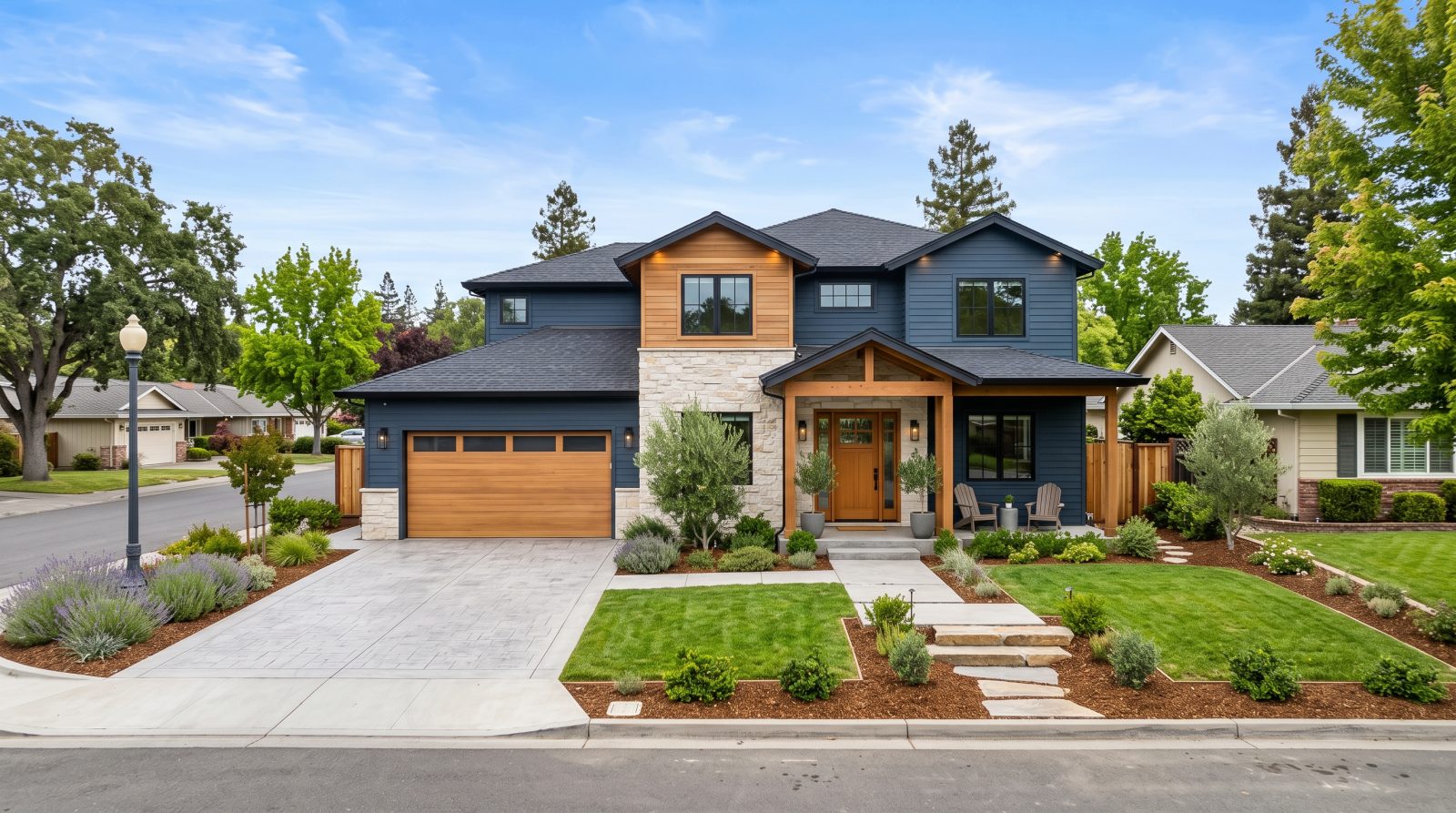
What home remodeling projects are most common in Windsor?
Windsor's housing stock skews newer than much of Sonoma County: the town grew quickly through the 1990s and 2000s after incorporating in 1992, so many homes are tract-built single-family residences from that era, alongside pockets of older ranch and farmhouse-style properties closer to the historic Town Green and along Old Redwood Highway. That mix shapes what people remodel. Owners of the newer subdivision homes often focus on cosmetic and functional updates, while owners of older properties more often take on systems work, layout changes, and additions.
Across both, the projects general contractors in Windsor handle most often include kitchen and bathroom remodels, primary-suite additions, accessory dwelling units (ADUs) for rental income or multigenerational living, deck and patio builds suited to the warm inland summers, energy-efficiency upgrades, and post-event repairs. Sonoma County's wildfire history, including the 2019 Kincade Fire that prompted widespread Windsor evacuations, has also made wildfire-resistant materials, ember-resistant venting, and defensible-space-friendly landscaping a recurring part of remodeling conversations here.
- Kitchen remodels: refreshing 1990s-2000s builder-grade kitchens with new cabinets, counters, and open layouts
- Bathroom remodels: primary-bath updates, walk-in showers, and aging-in-place features
- ADUs and additions: detached or attached units and room additions on the larger suburban lots common in Windsor
- Outdoor living: decks, patios, pergolas, and shade structures for hot inland summers
- Wildfire hardening: ember-resistant vents, Class A roofing, and noncombustible siding choices
Do I need a permit to remodel in Windsor, and who issues it?
In most cases, yes. Because Windsor is an incorporated town, permits for new construction, additions, ADUs, structural alterations, re-roofs, water heaters, electrical panel upgrades, and most plumbing and mechanical work are issued by the Town of Windsor Building Division, not by Sonoma County's permitting department (Permit Sonoma). Simple cosmetic work such as painting, flooring, or like-for-like cabinet swaps generally does not require a permit, but anything that touches structure, egress, energy compliance, or the home's electrical, plumbing, or HVAC systems typically does.
Windsor permits are reviewed against the current California Building Standards Code (Title 24) and local amendments, and projects in or near designated wildfire-hazard zones may face additional requirements for ignition-resistant materials. ADUs follow California's statewide rules layered with the town's local ADU ordinance. This is general educational information rather than legal advice: confirm the exact permit requirements, fees, and any zoning or setback rules with the Town of Windsor before work begins, and have your contractor pull permits in their name so inspections are properly tied to a licensed professional.
- Permitting authority: Town of Windsor Building Division (an incorporated town, separate from Permit Sonoma)
- Typically requires a permit: additions, ADUs, structural changes, re-roofs, panel upgrades, water heaters, most plumbing/mechanical work
- Often permit-exempt: painting, flooring, minor cosmetic finishes (confirm before assuming)
- Wildfire zones: may require ignition-resistant materials under the building code
- Always verify scope, fees, and setbacks with the Town directly before starting
How much do home remodeling projects typically cost in Windsor?
The ranges below are typical industry estimates for Bay Area / Sonoma County projects, intended to help you budget, not firm quotes. Actual pricing depends on your home's size and age, material selections, structural complexity, site access, and current labor and material costs. North Bay labor rates tend to run above the national average, and homes on wells or septic systems, or in wildfire-hazard areas, can add scope that affects the total.
A clearer estimate comes from a contractor who has walked your specific space. Use these figures to frame conversations, then request itemized written proposals so you can compare like for like. Be cautious of any bid that is dramatically lower than the others, and ask each contractor what their number does and does not include.
- Bathroom remodel: roughly $15,000-$45,000+ depending on size, fixtures, and whether plumbing is moved (estimate range, not a quote)
- Kitchen remodel: roughly $35,000-$100,000+ depending on cabinetry, counters, appliances, and layout changes (estimate range)
- Room addition: often $300-$600+ per square foot in this region depending on complexity (estimate range)
- ADU: frequently in the low-to-mid six figures depending on size, site work, and utility connections (estimate range)
- Deck or patio: varies widely by material and footprint; get an on-site estimate
- These are typical ranges only; your written quote may fall outside them
How do I choose a trustworthy contractor in Windsor?
Start by confirming the contractor holds an active California State License Board (CSLB) license appropriate to your project; you can verify any license number directly on the CSLB website, including its status and whether the contractor carries workers' compensation and bond coverage. A licensed contractor familiar with the Town of Windsor's permitting and inspection process can save you delays, and one who knows Sonoma County's wildfire and rural-utility considerations can flag issues early.
Get multiple written, itemized bids, ask for proof of insurance, and request examples of comparable work and references you can contact yourself. Make sure the proposal spells out the scope, payment schedule, timeline, who pulls permits, and how changes will be handled. Contractors Near Me helps you connect with local professionals so you can compare options and request a free quote without committing to anything.
- Verify the CSLB license number, status, bond, and workers' comp on the CSLB website
- Confirm the contractor will pull permits in their own name with the Town of Windsor
- Collect at least two or three itemized written bids and compare inclusions, not just totals
- Ask about familiarity with local wildfire-hardening and well/septic considerations where relevant
- Request references and check that the payment schedule is tied to milestones