What kinds of homes do contractors remodel in Rohnert Park?
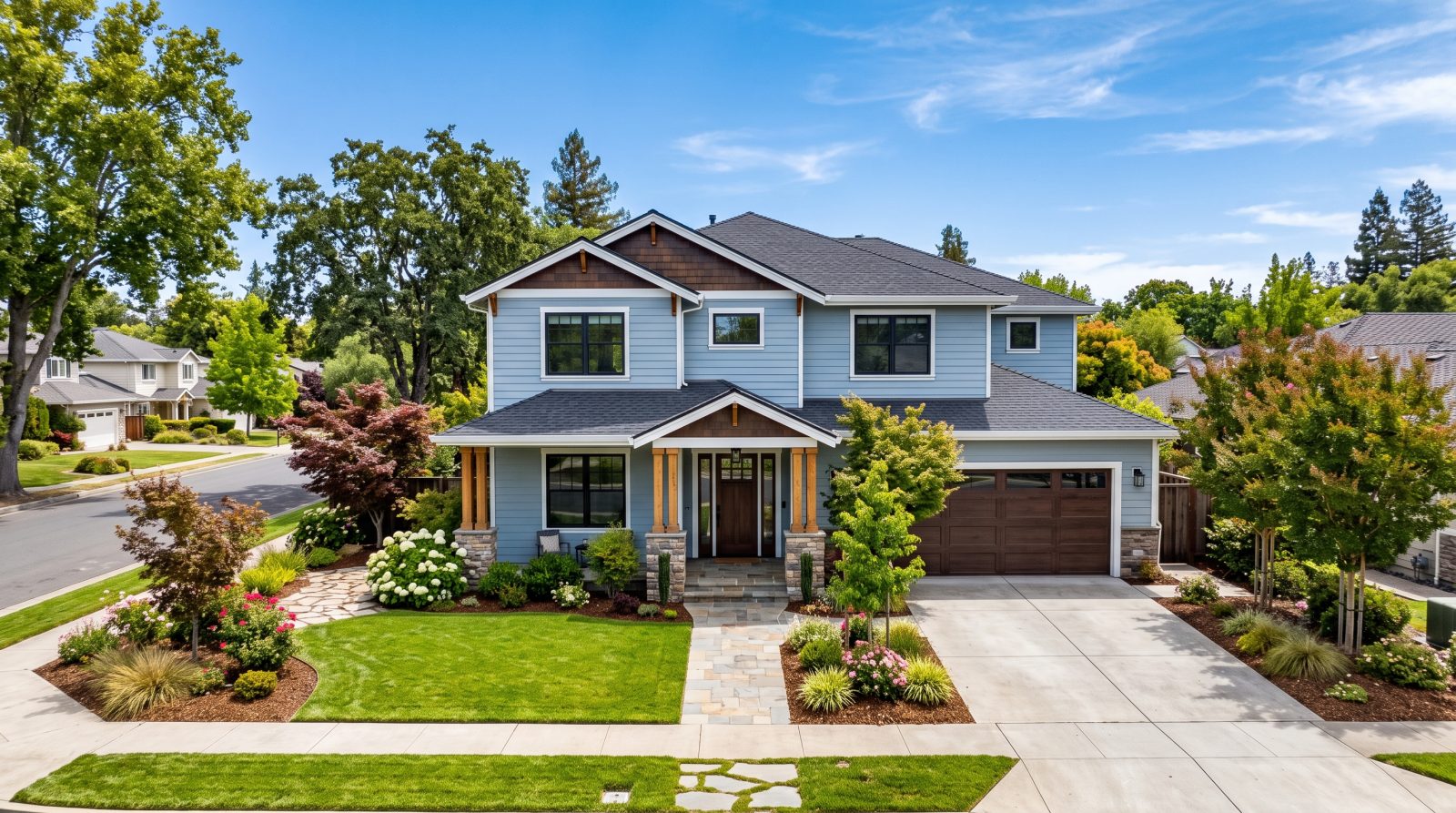
Rohnert Park is a well-known Bay Area planned community, laid out in sequentially named sections - the A section, B section, C section and onward - that were developed in waves beginning in the early 1960s. As a result, the city has an unusually consistent housing stock: a large share of single-story and split-level tract homes from the 1960s, 1970s, and 1980s, many with the original footprints, finishes, and systems still in place. Newer subdivisions on the east side and around the University District add more recent construction and townhome-style developments to the mix.
For homeowners, the practical takeaway is that a lot of Rohnert Park remodeling is age-driven rather than damage-driven. Homes built four to six decades ago commonly reach the point where original kitchens and bathrooms feel dated, electrical panels and wiring may predate modern demand, single-pane windows are due for replacement, and roofs have aged past one or more replacement cycles. Many of these homes were also built with similar floor plans within a section, which means a contractor familiar with the area has often seen layouts like yours before.
Because the lots and original designs tend to be modest, common projects here include opening up a galley kitchen, converting or updating a bathroom, adding a primary suite, finishing or expanding living space, and - increasingly across California - adding an accessory dwelling unit (ADU). Always confirm a contractor's license status and current standing directly with the CSLB before signing anything.
Do I need a permit to remodel in Rohnert Park?
In most cases, yes. Building permits in Rohnert Park are issued by the City of Rohnert Park's Building Division, since the incorporated city handles its own permitting rather than going through Sonoma County (the county permits unincorporated areas outside the city limits). As a general rule across California, work that involves structural changes, additions, new or relocated electrical and plumbing, water heater or HVAC replacement, re-roofing, and window or door alterations to the structure typically requires a permit and inspections. Purely cosmetic work - like painting, flooring, or swapping cabinets without moving plumbing or electrical - often does not, but the specifics depend on the scope.
Permitting matters in Rohnert Park for the same reasons it matters everywhere in California: permitted, inspected work creates a documented record, helps confirm the job meets current code, and can come up during a future sale or insurance claim. For projects subject to local design or zoning rules - including ADUs, additions, and anything affecting setbacks or height - the city may also review the plans before issuing a permit.
This page is educational and not legal advice. Before you commit to a project, verify the current permit requirements, fees, and timelines directly with the City of Rohnert Park Building Division, and confirm that your contractor is properly licensed and that permits will be pulled for the work being done.
How much does home remodeling typically cost in Rohnert Park?
The figures below are typical industry ranges for the Bay Area / Sonoma County market, offered for planning purposes only. They are estimates, not quotes. Your actual cost depends on the size of your home, the finishes you choose, the condition of what's behind the walls, structural and permit requirements, and current labor and material pricing. The only reliable number is a written estimate from a licensed contractor who has seen your specific project.
Sonoma County labor and materials generally track the broader Bay Area, which tends to run higher than national averages. Older Rohnert Park homes can also carry hidden costs that don't show up until demolition begins - for example, aging wiring, original galvanized plumbing, or subfloor issues - so it's wise to keep a contingency in your budget. Get more than one written estimate, compare scopes line by line rather than just bottom-line prices, and make sure each estimate spells out who pulls permits and what is and isn't included.
- Kitchen remodel: roughly $25,000-$75,000+, depending on layout changes, cabinetry, appliances, and whether plumbing or electrical is moved
- Bathroom remodel: roughly $12,000-$35,000+, with primary-bath and full-gut projects at the higher end
- Room addition: often $300-$500+ per square foot, driven by foundation, roofing, and tie-in complexity
- ADU (accessory dwelling unit): commonly $150,000-$400,000+ depending on size, site work, and whether it's detached, attached, or a garage conversion
- Roof replacement: typically $10,000-$30,000+ depending on size, material, and tear-off needs
- Whole-home or multi-room renovation: highly variable; budget per-room and add a contingency for older homes
How do I choose a reliable contractor in Rohnert Park?
Start by confirming the basics. In California, contractors performing work valued at $500 or more in combined labor and materials generally must hold an active license with the CSLB. You can look up any contractor by name or license number on the CSLB website to verify the license is current and in good standing. Ask whether they carry insurance and, where required for the work, workers' compensation coverage, and confirm those details independently rather than taking them on faith.
Get the scope in writing. A clear written estimate should describe the work, the materials, who is responsible for pulling permits, a payment schedule, and a rough timeline. Be cautious of unusually large upfront deposits - California law limits the down payment a contractor can require on home improvement contracts - and treat pressure to skip permits as a red flag. Comparing two or three detailed estimates side by side usually tells you more than any single quote.
Local familiarity helps too. A contractor who regularly works in Rohnert Park and the surrounding Sonoma County communities - Cotati, Penngrove, Petaluma, and Santa Rosa - is more likely to know the City of Rohnert Park's permitting process and the quirks of the city's section-built tract homes. When you submit the free-quote form, describe your project, your section or neighborhood, and your goals so you can be matched with pros suited to the work.