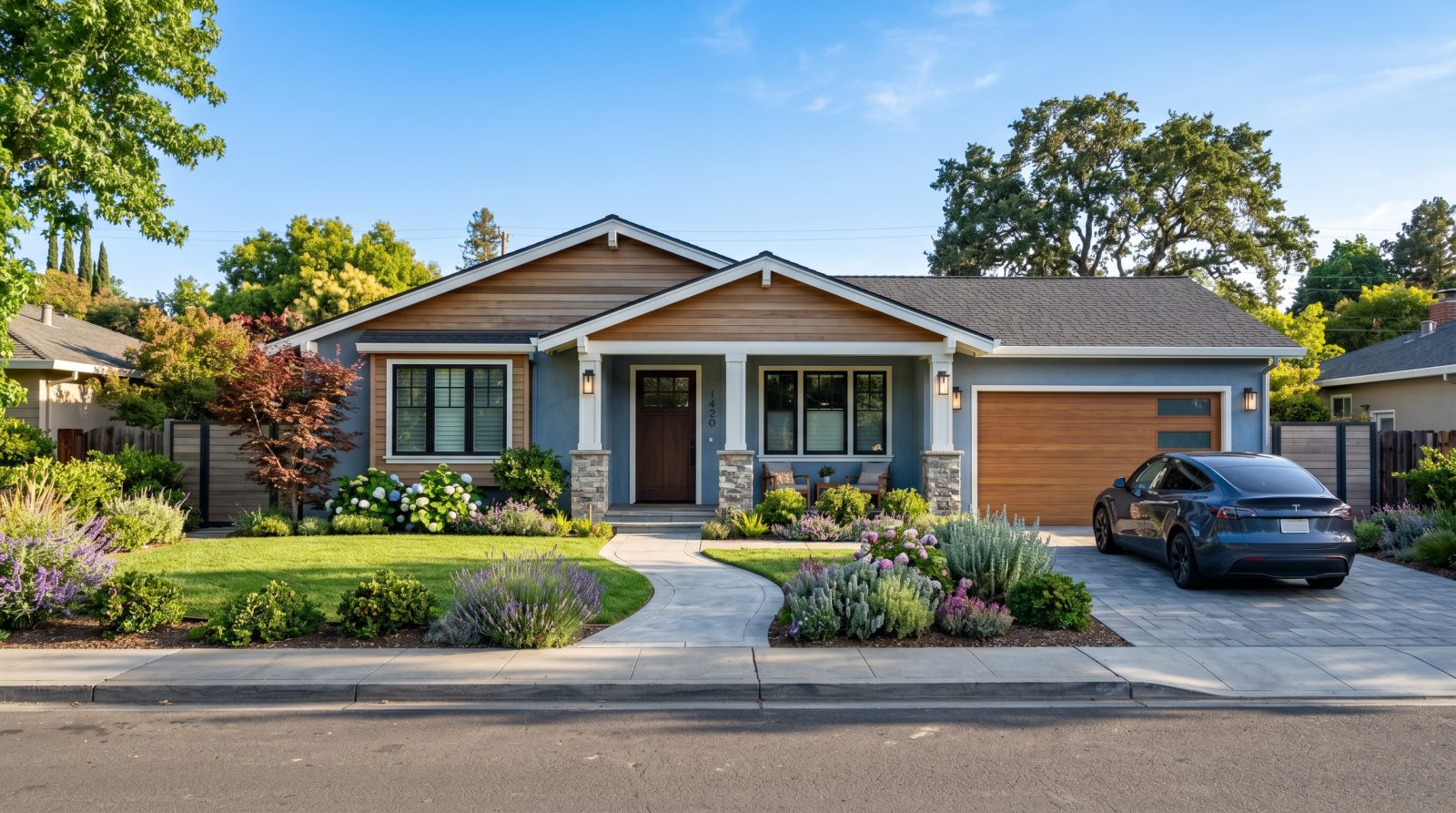
What does a Pleasant Hill general contractor actually do?
A general contractor is the single point of responsibility for your project. They translate your plans into a buildable scope, pull permits with the City of Pleasant Hill, hire and schedule the subcontractors (electricians, plumbers, framers, HVAC, finish carpenters), order materials, manage the day-to-day site, and coordinate the inspections that each phase requires. For most homeowners, the value is in not having to juggle five separate trades and an inspection calendar yourself.
In Pleasant Hill specifically, that coordination matters because so many homes share a similar age and construction style. A contractor who regularly works in the area will recognize the wiring, plumbing, and foundation conditions common to 1950s–1970s ranch and split-level homes and plan around them, rather than discovering surprises mid-project.
Whether you legally need a licensed general contractor depends on scope. In California, work valued at $500 or more in combined labor and materials generally requires a contractor licensed by the Contractors State License Board (CSLB). Smaller cosmetic jobs may not, but anything structural, electrical, or plumbing-related almost always does. Confirm your specific situation with the city and verify any contractor's license at the CSLB before signing.
- Defines and prices the scope of work in a written contract
- Pulls City of Pleasant Hill building permits and schedules inspections
- Hires, schedules, and supervises licensed subcontractors
- Orders materials and manages the construction timeline
- Is the homeowner's single point of accountability for the build
Which remodeling projects are most common in Pleasant Hill homes?
Pleasant Hill grew quickly after World War II, and much of the city, including neighborhoods like Gregory Gardens, Poets Corner, and the areas around College Park, is filled with single-story ranch and split-level homes from the 1950s through the 1970s. That housing profile shapes what people remodel. The kitchens and bathrooms in these homes are often original or lightly updated, and the floor plans tend to be closed off in a way that today's buyers and families want opened up.
Because lots in central Pleasant Hill are generally generous compared with denser parts of the Bay Area, additions and accessory dwelling units (ADUs) are realistic here. Homeowners frequently add square footage, convert garages, or build a detached ADU in the backyard, both for multigenerational living and to add rental flexibility. Homes up toward the hills near Grayson Road and Reliez Valley bring their own considerations, such as sloped lots and access.
Older homes also drive a steady stream of less glamorous but important work: upgrading electrical panels that were never sized for modern appliances, replacing aging galvanized or cast-iron plumbing, foundation and drainage repairs, and window and insulation upgrades for the warm inland summers Pleasant Hill gets compared with the foggier western Bay.
- Kitchen remodels, including opening up closed mid-century layouts
- Bathroom renovations in original 1950s–1970s homes
- Room additions and bump-out expansions on roomier lots
- ADUs and garage conversions for added living or rental space
- Electrical panel, plumbing, foundation, and drainage upgrades on older homes
How do permits and local rules work in Pleasant Hill?
Most remodeling work in Pleasant Hill that goes beyond simple cosmetic updates requires a building permit from the City of Pleasant Hill's Building Division. As a general rule, structural changes, additions, ADUs, electrical and plumbing work, water heater and HVAC replacements, re-roofs, and similar work need permits and inspections; like-for-like painting, flooring, and trim usually do not. Your general contractor typically handles the permit application and coordinates the required inspections, but you remain responsible for confirming the right permits were pulled.
Pleasant Hill is an incorporated city in central Contra Costa County, so permitting generally goes through the city rather than the county, though some utility, sewer (often Central Contra Costa Sanitary District), and stormwater requirements involve other agencies. California has also adopted statewide rules that ease ADU approval, which is part of why backyard and garage-conversion ADUs have become a popular path to adding space in Pleasant Hill.
Permit timelines and fees vary with the scope and the city's current workload, so build review and inspection time into your schedule rather than assuming work can start immediately. This page is educational and not legal advice; always verify current permit requirements, zoning, setbacks, and licensing directly with the City of Pleasant Hill and the CSLB before committing to a project.
- Additions, ADUs, structural, electrical, plumbing, HVAC, and re-roof work generally need permits
- Permitting usually runs through the City of Pleasant Hill Building Division
- Sewer, utility, and stormwater items may involve other Contra Costa agencies
- Statewide ADU rules have made backyard and garage-conversion units more feasible
- Verify permits, zoning, and setbacks with the city before work begins
What do home remodeling projects typically cost in Pleasant Hill?
The figures below are typical industry ranges for the Bay Area, offered as planning estimates only, not quotes. Actual pricing depends heavily on the size of the space, material and finish levels, the condition of an older home's existing systems, structural work, and how much your design changes the footprint. Bay Area labor and material costs generally run higher than national averages, so use national cost guides cautiously when budgeting for Pleasant Hill.
Older Pleasant Hill homes can carry hidden costs that aren't visible at the planning stage, such as outdated wiring behind walls, undersized electrical service, or plumbing that needs replacing once it's exposed. A reputable contractor will discuss allowances and contingencies for these unknowns up front. Treat any range you see online, including the ones here, as a starting point for a conversation, and get a written, itemized estimate based on a site visit before you plan your budget.
The only way to know what your specific project costs is a detailed estimate from a contractor who has seen your home. A free quote request is the simplest way to get that process started.
- Bathroom remodel: typically tens of thousands, varying widely with size and finishes
- Kitchen remodel: a common mid-to-large range, with high-end finishes pushing higher
- Room addition or ADU: often reaches into six figures depending on size and site
- Electrical panel or plumbing upgrades: a meaningful add-on common in older homes
- Always confirm pricing with a written, itemized estimate after a site visit
How do you choose and vet a contractor in Pleasant Hill?
Start by confirming the contractor holds an active, appropriate license through the CSLB and ask about their insurance coverage; verify these details yourself rather than taking them on faith. Then look for someone with genuine experience in Pleasant Hill or central Contra Costa, because familiarity with local permitting, inspectors, and the area's older housing stock saves time and reduces surprises.
Get the scope, schedule, payment terms, and materials in writing. California law sets limits on the down payment a contractor can require and encourages tying payments to completed milestones, so be cautious of large upfront demands. A clear written contract protects both you and the contractor, and it makes the project far easier to manage from start to inspection.
When you're ready, Contractors Near Me can connect you with local contractors for your Pleasant Hill project. We don't have a published phone line yet, so submit a free quote request to get matched and start the conversation.
- Verify the contractor's active CSLB license and ask about insurance yourself
- Favor experience with Pleasant Hill permitting and older local homes
- Insist on a written contract covering scope, schedule, payment, and materials
- Be wary of unusually large upfront payment demands
- Submit a free quote request to get matched with a local contractor