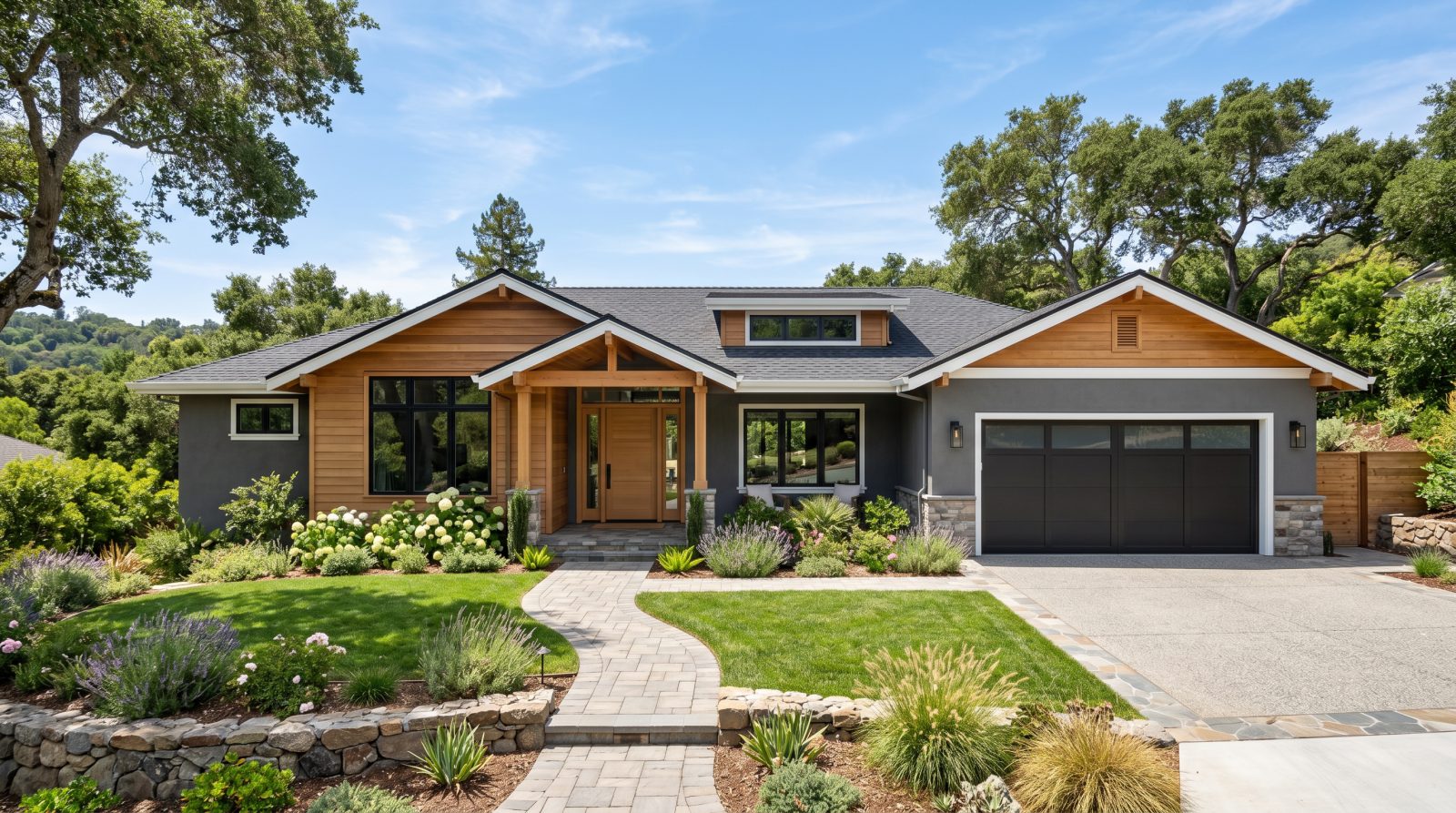
What does a general contractor in Lafayette actually do?
A general contractor (GC) is the single point of accountability for a remodeling project. Rather than you hiring and scheduling a dozen separate trades, the GC plans the sequence, pulls the building permit, schedules subcontractors, orders materials, and walks the project through Contra Costa County or City of Lafayette inspections. For larger jobs they typically work from architect or designer drawings; for smaller ones they may handle design-build in house.
In Lafayette, much of the housing stock dates from the 1950s through the 1970s — single-story ranch homes in areas like Burton Valley, plus custom and hillside homes scattered through Happy Valley, Reliez Valley, and the Trail neighborhoods. Remodels on these homes routinely surface aging knob-and-tube or aluminum wiring, galvanized supply lines, original single-pane windows, and additions built before current code. A GC who works the area regularly expects these conditions and prices for them, instead of treating each one as a surprise change order.
Lafayette also sits in a high fire-hazard region, and large portions of the hills fall within Wildland-Urban Interface (WUI) zones. That can affect material choices on exterior work — roofing, siding, eaves, decks, and vents — when a project triggers those requirements. A contractor familiar with local practice will raise this early rather than mid-build.
How much does home remodeling cost in Lafayette?
Remodeling costs in the Bay Area run higher than national averages, and Lafayette is no exception given labor rates and the older or hillside homes common here. The figures below are typical ranges to help you set a budget, not quotes — your actual cost depends on scope, finishes, structural surprises, and current material prices. Always get itemized written bids from licensed contractors before committing.
Two factors push Lafayette projects toward the higher end of any range: hillside access and structural complexity. A sloped lot can mean limited staging room, retaining work, deeper foundations, or engineered solutions that a flat lot wouldn't need. Older homes frequently require electrical panel upgrades, re-piping, or code-mandated work (like updated smoke and CO detectors or egress) once walls are open. Build a contingency into your budget for these.
Get at least three written bids and compare scope line by line, not just bottom-line price. A bid that looks low often excludes permits, design, or allowances for fixtures and finishes that a complete bid includes.
- Kitchen remodel: typically $40,000–$120,000+ depending on layout changes, cabinetry, and appliances
- Bathroom remodel: typically $20,000–$60,000+ for a full gut and refinish
- Room addition: typically $400–$700+ per square foot in this market, higher on hillside lots
- Whole-home renovation: typically $200,000–$700,000+ depending on size, structural scope, and finish level
- ADU (accessory dwelling unit): typically $250,000–$450,000+ for a detached new build
Do I need a permit to remodel in Lafayette?
Most structural, electrical, plumbing, and mechanical work requires a building permit in Lafayette, and so do additions, ADUs, many window and roof changes, and projects that move walls. Permits are issued through the City of Lafayette Planning and Building Division, which coordinates with Contra Costa County for some functions. Cosmetic-only work like painting, flooring, or simple cabinet swaps often does not need a permit, but anything touching the structure or systems usually does.
Lafayette adds layers that not every Bay Area city has. Hillside lots and homes within certain overlay or scenic areas can trigger additional design review, and tree removal is regulated under the city's tree ordinance — so a project that touches protected trees needs separate review. Because of fire-hazard zoning in the hills, defensible-space and WUI material rules can also come into play on exterior work.
A reputable general contractor will pull permits in their own name (or coordinate with you on owner-builder permits) and schedule the required inspections. Be cautious of any contractor who suggests skipping permits to save time or money; unpermitted work can create problems at resale, with insurance, and during future inspections. This page is educational and not legal advice — confirm current requirements directly with the City of Lafayette and verify licensing for anyone you hire.
How do I choose a contractor in Lafayette?
Start by confirming the contractor holds an active California license for the work. In California, general building work over $500 in combined labor and materials must be performed by a licensed contractor, and you can verify any license, its status, classification, and bond on the California Contractors State License Board (CSLB) website at no cost. Ask for the license number up front and check it yourself rather than taking it on faith.
Beyond licensing, ask for proof of general liability insurance and workers' compensation coverage, and request references from recent Lafayette or nearby Lamorinda projects of similar scope. A contractor who regularly works hillside or older homes in the area will be able to speak specifically to access, drainage, and the conditions common in local housing — that local fluency is a meaningful signal.
Compare written, itemized bids rather than verbal estimates, and be wary of unusually low numbers, large upfront deposits, or pressure to start immediately. California law limits the down payment a contractor can require on home improvement contracts. A clear written contract with a defined scope, payment schedule tied to milestones, and a change-order process protects both sides.
What are the most common remodeling projects in Lafayette homes?
Because so many Lafayette homes were built mid-century, the most common projects involve modernizing layouts and systems while preserving the indoor-outdoor, view-oriented character that draws people to the area. Kitchen and primary-bath updates lead the list, often paired with opening up compartmentalized floor plans typical of 1950s and '60s ranch homes.
Additions and second-story or hillside expansions are also frequent, since many original homes are modest in size relative to today's expectations and lot values. Lafayette's hillside settings make decks, view-oriented window walls, and outdoor living spaces popular, all of which carry their own structural and permitting considerations on a slope. ADUs have grown more common as well, both for multigenerational living and rental use, supported by state ADU rules.
System upgrades round out the list: electrical panel and wiring upgrades, re-piping, foundation and drainage work on sloped lots, and energy or seismic improvements. Many homeowners bundle these less visible upgrades into a larger remodel while the walls are already open, which is usually more cost-effective than doing them separately later.
- Kitchen remodels and open-concept layout changes in ranch-era homes
- Primary and hall bathroom renovations
- Room additions, second-story additions, and hillside expansions
- Detached and attached ADUs for rental or family use
- Decks, view windows, and indoor-outdoor living spaces on sloped lots
- Electrical, plumbing, foundation, and drainage upgrades during larger remodels