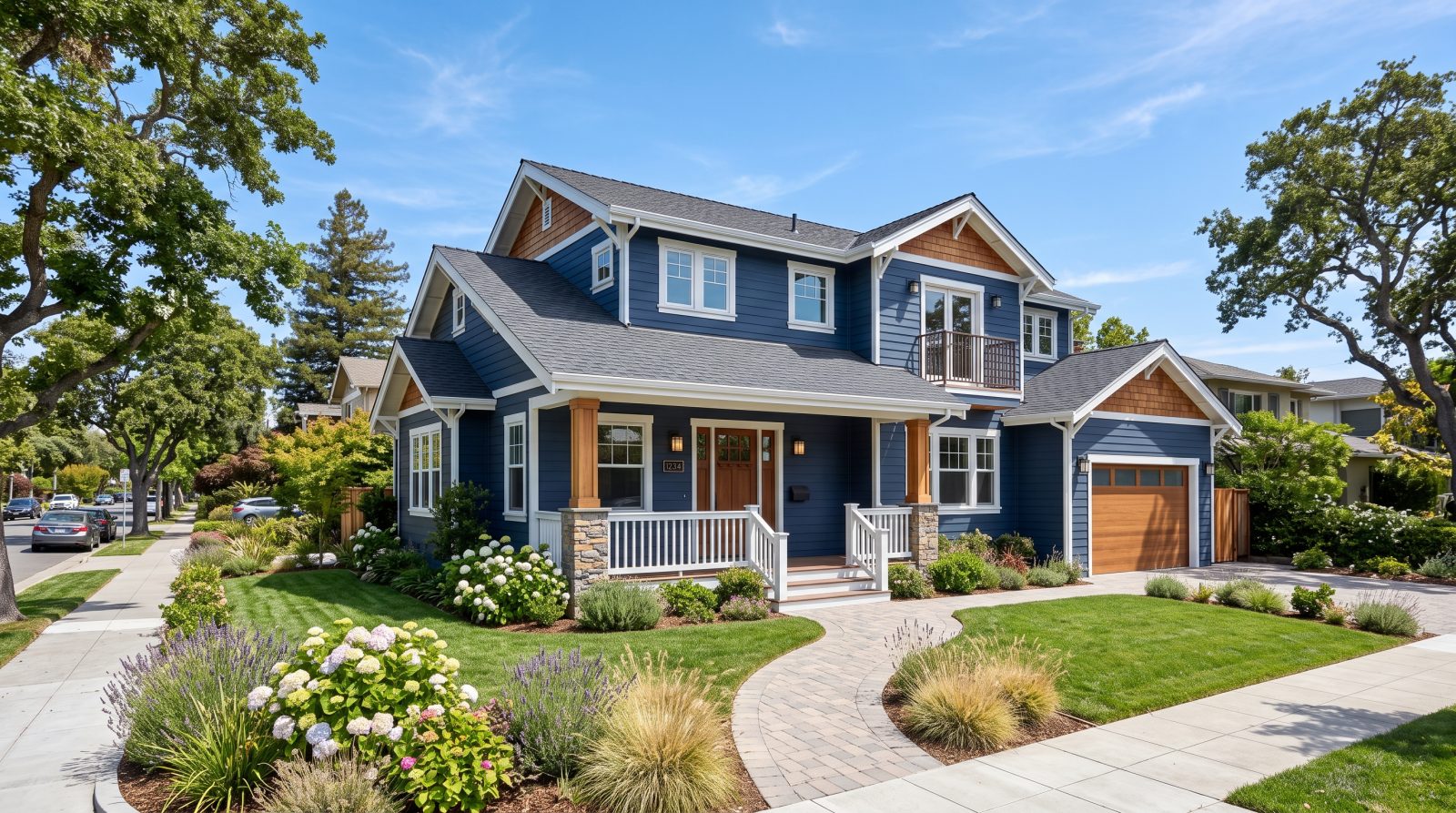
Why remodeling in Alameda is different from the rest of the East Bay
Alameda is an island city in Alameda County, separated from Oakland by the Oakland Estuary and reached by the Park Street, Fruitvale, and High Street bridges, the Posey and Webster tubes, and passenger ferry service. That geography shapes remodeling work in practical ways: contractors plan material deliveries and dumpster placement around bridge and tube access, and parking on narrow Victorian-era streets often needs coordination with the city.
The bigger factor is the housing stock. Alameda has a high concentration of pre-1906 Victorian and Edwardian homes, especially across the East End, the Gold Coast, and the streets near Park Street and Central Avenue. Many of these homes have original features that owners want to preserve, alongside aging systems that commonly need attention during a remodel.
Newer parts of the island tell a different story. Bay Farm Island, connected near Oakland International Airport, has mid-century and later subdivisions, while Alameda Point, the former Naval Air Station on the West End, is an active redevelopment area with its own mix of adaptive-reuse and new construction. A contractor's approach to a 1900 Victorian and a 1970s Bay Farm home is genuinely different, so it helps to describe your home's era and neighborhood when you request quotes.
What home remodeling projects do Alameda homeowners take on?
The most common requests on the island fall into a few buckets, and each comes with Alameda-specific considerations tied to the age and style of local homes.
Kitchen and bathroom remodels are the most frequent. In older Alameda homes, these projects often surface outdated wiring, galvanized or cast-iron plumbing, and layouts that reflect early-1900s living, so scope can expand once walls are opened. Whole-home updates, room additions, accessory dwelling units (ADUs), foundation and seismic retrofit work, and exterior restoration of period siding and trim are also common.
- Kitchen and bathroom remodels, including layout changes in compact Victorian floor plans
- Room additions, second-story additions, and dormers (subject to height and setback rules)
- Accessory dwelling units (ADUs) and garage conversions
- Foundation repair and seismic/soft-story retrofitting common to older homes
- Knob-and-tube wiring replacement and electrical panel upgrades
- Window, siding, and trim restoration on Victorian and Edwardian exteriors
- Basement and attic finishing to add usable square footage
Do I need a permit to remodel in Alameda?
In most cases, yes. The City of Alameda runs its own Building Division and Permit Center, and permits are generally required for structural changes, additions, electrical and plumbing work, water heater and HVAC replacement, re-roofing, and many remodels that go beyond cosmetic finishes like paint or flooring. Because Alameda is an incorporated city, you typically permit through the city rather than Alameda County.
Two extra layers come up often on the island. First, some properties sit in or near designated historic areas, and exterior changes to older or historically significant homes can trigger additional design review. Second, work on the shoreline, on fill areas like Bay Farm Island, or within redevelopment zones such as Alameda Point may involve added requirements. A licensed contractor familiar with Alameda will usually help identify which approvals apply and can pull permits on your behalf.
Permits exist to confirm work meets current building and safety codes, which matters most in homes built before modern electrical, plumbing, and seismic standards. This is educational information, not legal advice, so verify current permit requirements, fees, and any historic-review process directly with the City of Alameda before you begin.
What do home remodeling projects typically cost in Alameda?
The figures below are typical industry estimate ranges to help you budget, not quotes for your home. Bay Area labor and material costs tend to run higher than national averages, and Alameda's older homes can add cost when projects uncover hidden conditions like outdated wiring, dry rot, or foundation issues. The only way to get an accurate number is a contractor walkthrough of your actual project.
Several factors push a project toward the higher end of any range: the age and condition of the home, the level of finishes you choose, whether the layout or footprint changes, and how much structural or systems work is involved. Permit fees, design fees, and temporary measures like protecting historic features are real line items worth asking about up front.
- Mid-range kitchen remodel: roughly $30,000 to $80,000+ depending on size, finishes, and whether layout or systems change
- Bathroom remodel: roughly $15,000 to $45,000+, with full gut renovations and custom tile at the higher end
- Room addition: often $300 to $600+ per square foot in higher-cost Bay Area markets, varying widely by complexity
- ADU or garage conversion: commonly $150,000 to $350,000+ for detached new builds, less for conversions of existing space
- Foundation or seismic retrofit: highly variable, frequently $10,000 to $80,000+ depending on findings and scope
- Electrical rewiring (knob-and-tube replacement): varies by home size and access, often a significant line item in pre-1940 homes
How to choose and work with an Alameda contractor
Start by getting more than one quote and giving each contractor the same project description so you can compare fairly. For Alameda homes, ask whether they've worked on properties of similar age and style, since handling a century-old Victorian is a different skill set than a newer Bay Farm or Alameda Point build.
Confirm the basics before signing anything. In California, contractors performing work valued at $500 or more in combined labor and materials are generally required to be licensed by the Contractors State License Board (CSLB), and you can verify a license, bond, and any disciplinary history yourself on the CSLB website. Ask how permits will be handled, get the scope and payment schedule in writing, and clarify how change orders are priced, which matters because older homes often reveal surprises once work begins.
When you request a free quote through Contractors Near Me, share your neighborhood, your home's approximate age, and a clear description of what you want done. The more specific you are, the more useful and accurate the responses you'll get back.