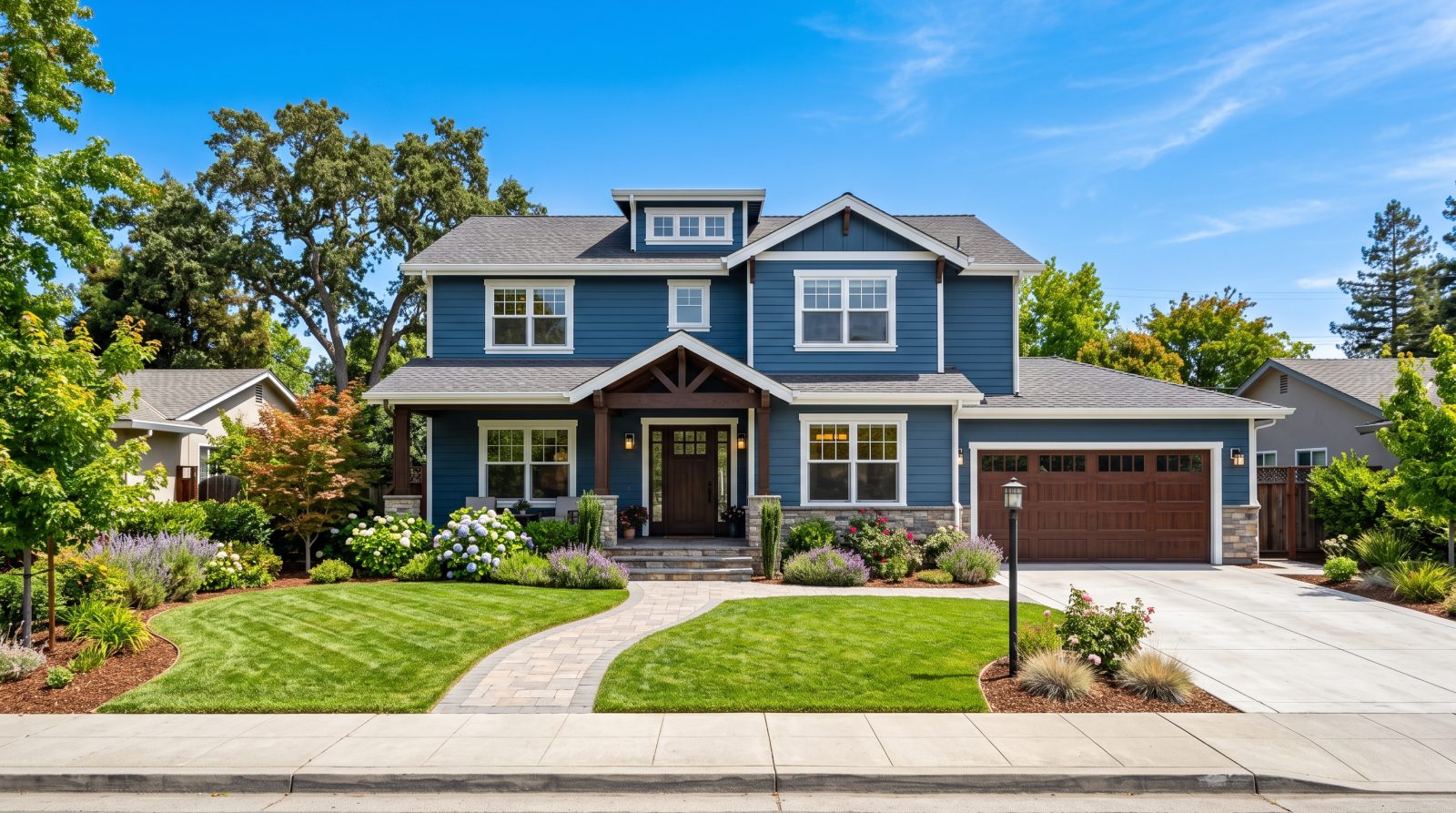
Why home projects in Concord look the way they do
Concord sits in central Contra Costa County, east of the Caldecott Tunnel and connected to the rest of the Bay Area by two BART stations (Concord and North Concord/Martinez) and the I-680 and Highway 4 corridors. It is the county's most populous city, and much of its housing was built during the postwar suburban boom, so the work contractors do here is shaped by that era of construction.
Large parts of the city -- the Monument corridor, neighborhoods off Clayton Road, and the tracts near Ygnacio Valley Road -- are filled with single-story ranch and mid-century homes from roughly the 1950s through the 1970s. These houses tend to have original or once-updated kitchens and baths, older wiring, galvanized or early copper plumbing, and compartmentalized floor plans that today's owners often want opened up. Areas like Dana Estates, Crystyl Ranch, and the hills toward Clayton include larger and newer homes where additions, primary-suite expansions, and higher-end remodels are more common.
Concord's typically generous lot sizes and detached single-family layouts also make it one of the more practical Bay Area cities for accessory dwelling units (ADUs) and additions. Downtown around Todos Santos Plaza has older and mixed-use building stock, and the long-planned redevelopment of the former Concord Naval Weapons Station continues to shape new construction on the city's north side. Knowing which neighborhood and era your home falls into helps a contractor anticipate what's behind the walls before demolition starts.
What general contractors in Concord typically handle
A general contractor coordinates the trades, schedule, materials, and inspections for a project, and pulls the permits in their name. For Concord's older housing stock, the most common requests fall into a few clear categories, and the scope usually grows once a contractor sees the actual condition of the home.
Because so many Concord homes share the same postwar construction, contractors here are used to surprises like outdated electrical panels, original single-pane windows, older wiring in certain pockets, and slab or raised foundations that affect how plumbing reroutes are done. Whatever the project, ask any contractor to verify their CSLB license classification matches the work.
- Kitchen remodels -- cabinets, counters, opening a wall to the dining or living room, and updating electrical and plumbing to current code
- Bathroom remodels -- full gut renovations, tub-to-shower conversions, and aging-in-place updates
- Room additions and primary-suite expansions, common on Concord's larger suburban lots
- Accessory dwelling units (ADUs) -- detached, attached, or garage conversions, supported by California's streamlined ADU rules
- Whole-home renovations of dated ranch and tract homes, including opening up compartmentalized floor plans
- Systems and envelope upgrades -- windows, roofing, HVAC, electrical panel and service upgrades, and repipes
- Repairs and smaller jobs -- dry rot, drainage, deck and fence work common with older Concord properties
Permits and inspections in Concord
In Concord, building permits are issued by the City of Concord through its Permit Center, and the Building Division handles plan review and inspections. As a general rule, structural changes, additions, ADUs, electrical, plumbing, mechanical work, water heater and HVAC replacements, reroofs, and most remodels that go beyond cosmetic finishes require a permit. Simple cosmetic work like painting, flooring, or swapping fixtures often does not -- but you should confirm with the city rather than assume.
A licensed general contractor will typically pull the permit and schedule the required inspections as part of the job. Be cautious of any contractor who suggests skipping permits to save time or money; unpermitted work can create problems with insurance, resale disclosures, and future sales in Contra Costa County. Concord also has its own zoning and setback rules, and projects near the hills or in certain areas may involve grading or additional review.
This page is educational and not legal advice. Permit requirements, fees, and timelines change, and individual properties differ, so verify current rules directly with the City of Concord Permit Center and confirm any contractor's license status with the California Contractors State License Board (CSLB) before work begins.
Typical cost ranges for Concord remodeling projects
The figures below are typical industry estimate ranges for the broader Bay Area, where labor and material costs run higher than national averages. They are educational estimates to help you budget -- not quotes. Your actual price depends on your home's age and condition, the finishes you choose, structural and permit requirements, and the contractor you hire. The only way to get a real number is a written, itemized bid from a licensed contractor who has seen your home.
Concord's older homes can push costs higher than expected once a project uncovers outdated wiring, plumbing that needs rerouting, or finishes that are no longer to code. Build a contingency of roughly 10-20% into any remodeling budget for older properties, and get multiple written bids so you can compare scope, not just bottom-line price.
- Bathroom remodel: roughly $15,000-$45,000+ depending on whether it's a refresh or a full gut, plus layout and plumbing changes
- Kitchen remodel: commonly $30,000-$90,000+, driven by cabinets, countertops, appliances, and whether walls move
- Room addition: often $300-$600+ per square foot in the Bay Area depending on complexity and finishes
- ADU (accessory dwelling unit): frequently $150,000-$400,000+ for detached units; garage conversions can be lower
- Whole-home renovation: highly variable and best estimated per project after a walkthrough
How to choose a Concord contractor and get a quote
Start by getting at least two or three written, itemized bids so you can compare what's actually included -- demolition, materials, labor, permits, and cleanup -- rather than just the total. Verify each contractor's license on the CSLB website (a search by name or license number shows status, classification, bond, and any disciplinary history), and ask for proof of liability insurance and workers' compensation. A bid that is dramatically lower than the others is often a sign of a missing scope item or an unlicensed operator.
Ask about who will actually be on site, how change orders are handled, the projected timeline, and the payment schedule. In California, down payments on home improvement contracts are capped by law, so be wary of anyone demanding a large amount up front. A clear written contract that lists scope, materials, milestones, and permit responsibility protects both you and the contractor.
When you're ready, tell us about your Concord project and we'll help you connect with a local contractor and request a free quote. There's no published phone number -- your contact request gets the process started, and you stay in control of which contractor you choose.