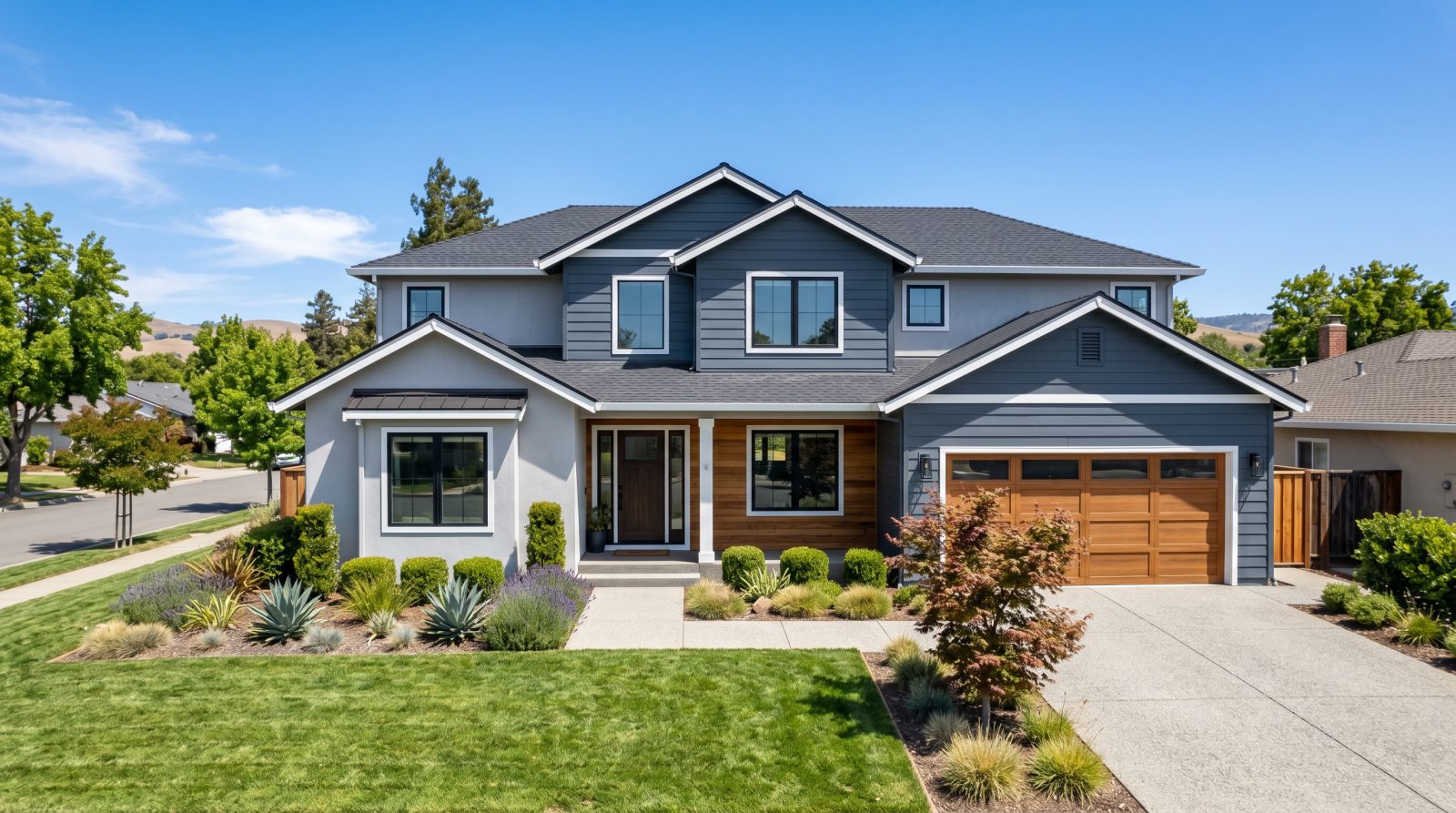
What home remodeling looks like in Antioch's neighborhoods
Antioch sits in the far east of the Bay Area along the San Joaquin River, where Contra Costa County meets the Delta, and that geography shapes the remodeling work homeowners take on. The city spans a wide range of housing eras, so the most common projects vary noticeably from one part of town to another. Knowing your home's vintage is the single most useful starting point when you scope a renovation here.
In the older core near downtown, the Rivertown historic district, and the Sunset neighborhoods, you'll find a lot of mid-century and 1970s-80s homes. These often see kitchen and bathroom updates, electrical panel and wiring upgrades, dual-pane window replacement, HVAC replacement, and the occasional foundation or drainage repair given older lots. Homes from this era can hide outdated wiring or galvanized plumbing behind the walls, which is worth budgeting for as a contingency.
Out toward the southeast — Lone Tree Way, Hillcrest, and the newer subdivisions up the hills toward Deer Valley Road — homes are generally 1990s through 2000s. Here the demand leans toward open-concept kitchen reconfigurations, primary-bathroom expansions, backyard living spaces, and accessory dwelling units (ADUs) on the larger newer lots. Antioch's hotter inland summers also drive steady work on energy-efficiency upgrades, attic insulation, and HVAC, since the climate runs warmer than the inner Bay.
A genuinely local contractor will factor in things like expansive clay soils common to parts of East Contra Costa, river-and-Delta proximity for drainage, and the city's specific permit process — not just apply a generic Bay Area template to your house.
Do I need a permit to remodel in Antioch?
In most cases, yes. The City of Antioch requires building permits for the majority of remodeling work, including structural changes, room additions, ADUs, water heater and furnace replacements, electrical panel upgrades, re-roofs, and most plumbing and electrical work. Permits are issued through the Antioch Community Development Department's Building Inspection Division, and projects are subject to the California Building Standards Code along with any local amendments. Always verify current requirements with the City before starting, because rules and fee schedules change.
Cosmetic work — painting, flooring, cabinet refacing, and like-for-like fixture swaps — often does not require a permit, but the line is not always obvious. Moving a wall, relocating plumbing or electrical, or altering the building footprint generally does. A licensed general contractor typically handles permit applications and schedules required inspections as part of the project.
Some properties may also fall under additional review. Homes in or near the Rivertown historic area, parcels in special flood or drainage zones given Antioch's river and Delta frontage, and lots in HOA-governed subdivisions in the southeast can carry extra steps. ADUs follow California's statewide ADU rules layered with Antioch's local standards. This is general educational information, not legal advice — confirm licensing and permit specifics with the City of Antioch and a licensed professional before you commit.
- Permits in Antioch are issued by the Community Development Department (Building Inspection Division).
- Typically permit-required: additions, ADUs, structural changes, panel upgrades, re-roofs, water heater/furnace replacement, most plumbing and electrical.
- Often no permit: paint, flooring, cabinet refacing, like-for-like fixture swaps — but confirm before assuming.
- Extra review may apply for Rivertown historic-area homes, flood/drainage zones, and HOA subdivisions.
- Verify current rules, fees, and licensing with the City before starting any project.
What do remodeling projects typically cost in Antioch?
The figures below are typical industry cost ranges for the Bay Area used for early planning. They are estimates, not quotes, and your actual price depends on size, finish level, structural work, the age and condition of your home, and current material and labor costs. Antioch's far-east location can sometimes mean different logistics and pricing than the pricier inner-Bay cities, but Bay Area labor rates still apply. The only way to know your real number is a written quote from a licensed contractor who has seen your home.
Several Antioch-specific factors can move a project up or down within these ranges. Older homes near downtown may need wiring, plumbing, or panel upgrades discovered mid-project. Hillside and clay-soil lots in the southeast can add foundation or drainage costs. Energy-efficiency and HVAC work is common given the warmer inland climate. Build a contingency of roughly 10-20% into any renovation budget to absorb surprises behind the walls.
- Mid-range kitchen remodel: roughly $25,000-$75,000+ depending on layout changes, cabinetry, and appliances (estimate, not a quote).
- Bathroom remodel: roughly $12,000-$35,000+ depending on size and whether plumbing is moved (estimate).
- Room addition: commonly $200-$500+ per square foot depending on complexity and finishes (estimate).
- ADU (accessory dwelling unit): typically $150,000-$400,000+ depending on size, type, and site conditions (estimate).
- Whole-home renovation: highly variable and best scoped room by room with a contractor.
- Plan a 10-20% contingency, especially in older Antioch homes where hidden conditions are common.
How do I choose and work with a contractor in Antioch?
Start by confirming the contractor is properly licensed for the work. In California, contractors are licensed through the Contractors State License Board (CSLB), and you can verify a license, its classification, and standing directly on the CSLB website. Ask about insurance and confirm coverage details for your project. Get the scope, payment schedule, and timeline in writing before any work begins — California limits the down payment a contractor can collect, so review your contract carefully.
For an Antioch project, prioritize contractors who understand the local context: the City of Antioch permit and inspection process, the differences between older downtown-area homes and newer southeast subdivisions, soil and drainage considerations in East Contra Costa, and the warmer inland climate that affects HVAC and insulation choices. A contractor who can speak specifically to your neighborhood and your home's era is more likely to scope the job accurately.
Comparing more than one quote helps you understand the range and what each bid includes. Contractors Near Me makes that first step easy — share your project details and we'll help connect you with local Antioch contractors. We don't have a published phone number yet, so the fastest way to start is to request a free quote through our contact form, and a pro can follow up about your specific remodel.
- Verify the contractor's license and classification on the CSLB website before signing.
- Confirm insurance coverage details that apply to your project.
- Get scope, payment schedule, and timeline in writing; review California down-payment limits.
- Favor contractors who know Antioch's permit process and your neighborhood's housing stock.
- Compare multiple quotes, then request a free quote to get connected.