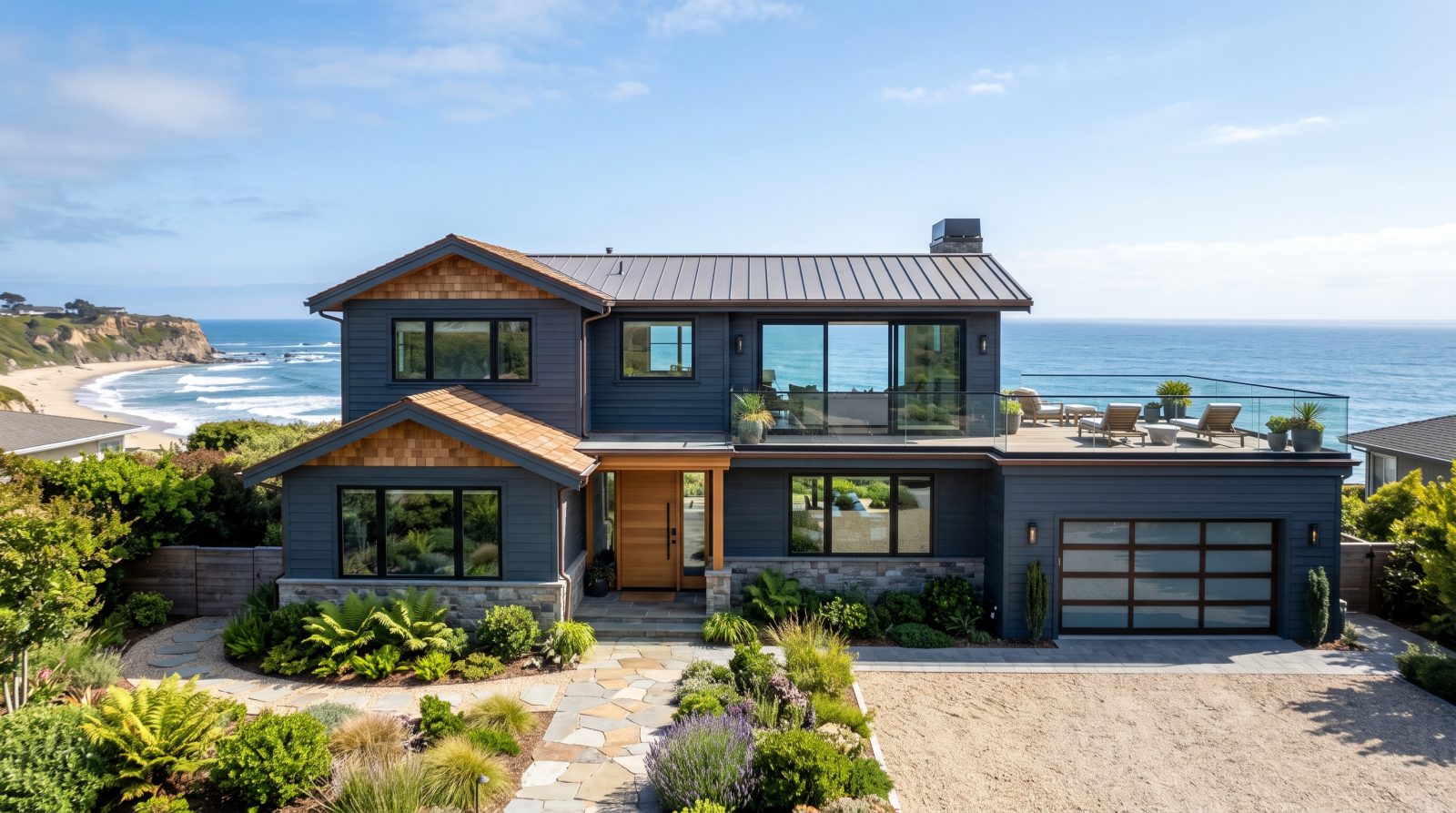
What does a general contractor in Half Moon Bay actually do?
A general contractor in Half Moon Bay manages the full scope of a residential construction or remodeling project: planning the work, pulling permits, coordinating subcontractors (framing, electrical, plumbing, roofing, finish trades), scheduling inspections, and seeing the job through to a final sign-off. On the Coastside, that role often includes an extra layer of homework that inland contractors may not deal with as often, because many properties sit within the coastal zone and a project may require a Coastal Development Permit in addition to standard city building permits.
For Half Moon Bay homeowners, a general contractor is typically the right fit when a project crosses trades or changes the structure of a home, such as opening up a wall between a kitchen and living area, building an addition, converting a garage, or replacing siding and windows on a fog- and salt-exposed elevation. Smaller single-trade jobs, like swapping a water heater or replacing a few fixtures, can often be handled directly by a specialist rather than a full general contractor.
Whatever the scope, confirm that anyone you hire for work valued at $500 or more in combined labor and materials holds an active California Contractors State License Board (CSLB) license for the relevant classification, and ask how they handle permits and inspections with the City of Half Moon Bay. Verifying the license yourself on the CSLB website is a simple step that protects you.
- Project planning, budgeting input, and realistic scheduling
- Permit handling with the City of Half Moon Bay and coordination on any Coastal Development Permit when applicable
- Hiring and supervising licensed subcontractors across trades
- Scheduling and meeting required building inspections
- Managing materials, site safety, and the punch list through final sign-off
Which neighborhoods and home styles do Half Moon Bay contractors work in?
Half Moon Bay's housing is a real mix, and the right approach can change from one part of town to the next. Around the historic downtown and the Spanish Town area near Main Street, you'll find older homes where remodeling often means working carefully around original framing, single-pane windows, and dated wiring or plumbing while keeping the character that makes the area special. Nearby Arleta Park and the older residential blocks share that established, smaller-lot feel.
North of downtown along the coast, the communities of Miramar, Princeton-by-the-Sea, and El Granada sit close to the harbor and the open ocean, where wind exposure and salt air are constant design factors. To the south and west, the Ocean Colony area near the golf links and newer subdivisions off Highway 1 include more contemporary homes on larger lots, while the rural stretches toward Pilarcitos Creek and the surrounding farmland include ranch-style and semi-rural properties.
These differences matter for remodeling. Coastal-facing homes often prioritize corrosion-resistant fasteners and hardware, moisture-tolerant exterior materials, and wind-rated detailing, while older downtown homes can surface knob-and-tube wiring, undersized electrical panels, or galvanized plumbing that a remodel is a good time to address. A contractor familiar with Coastside housing stock can flag these realities before they become surprises.
- Downtown / Spanish Town & Arleta Park: older homes, character-sensitive updates
- Miramar, Princeton-by-the-Sea & El Granada: harbor- and ocean-adjacent homes with high wind and salt exposure
- Ocean Colony & Highway 1 subdivisions: newer and contemporary homes, often on larger lots
- Pilarcitos and rural fringes: ranch-style and semi-rural properties near farmland and open space
How do permits and coastal rules work for remodeling in Half Moon Bay?
Most remodeling in Half Moon Bay requires a building permit from the City of Half Moon Bay, including structural changes, additions, electrical and plumbing modifications, re-roofing, and many exterior alterations. Cosmetic work like painting or replacing flooring usually does not, but it's worth confirming, because the line isn't always obvious and requirements change. The city's Building and Planning divisions are the authority to check with before you start.
What sets the Coastside apart is the California Coastal Act. Half Moon Bay lies within the coastal zone, so projects in many areas can also require a Coastal Development Permit (CDP), which is generally handled through the city under its certified Local Coastal Program or, in some cases, the California Coastal Commission. CDP review can consider things like visual impact along the shoreline, protection of sensitive habitat and bluffs, drainage, and public coastal access. Whether your specific property and project trigger a CDP depends on location and scope, so this is exactly the kind of question to raise early with the city and a knowledgeable contractor.
This page is educational and is not legal or permitting advice. Permit and coastal requirements, fees, and timelines are set by the city, county, and state and can change, so always verify the current rules for your address and project directly with the City of Half Moon Bay before committing to a schedule or budget. Building a permit timeline into your plan up front is one of the most common ways Coastside projects avoid delays.
- City building permits are typically needed for structural, electrical, plumbing, roofing, and many exterior changes
- A Coastal Development Permit may apply because Half Moon Bay is in the coastal zone
- CDP review can weigh shoreline views, habitat, bluffs, drainage, and coastal access
- Always confirm current requirements with the City of Half Moon Bay before starting
What do Half Moon Bay remodeling projects typically cost and how long do they take?
The figures below are typical industry ranges meant for planning, not quotes. Actual pricing depends on your home's size and condition, material choices, structural surprises common in older Coastside homes, and current labor and material costs, and Bay Area pricing generally runs higher than national averages. The only way to know what your project costs is a written estimate from a contractor who has seen the space. Coastal projects can also carry added cost for corrosion-resistant materials and moisture detailing.
Timelines are estimates too, and on the Coastside they should include time for permitting. A straightforward city building permit may move faster than a project that also needs a Coastal Development Permit, which can add review time depending on scope and location. Weather and seasonal demand can also affect scheduling, so it helps to plan ahead.
Use these ranges to frame conversations with contractors, then ask each one to break down their estimate by labor, materials, permits, and contingency. A clear, itemized estimate is far more useful than a single bottom-line number, and it makes comparing bids fair.
- Kitchen remodel: typically $25,000 to $75,000 or more, depending on scope and finishes (planning estimate, not a quote)
- Bathroom remodel: typically $12,000 to $35,000 depending on size and fixtures (planning estimate)
- Room addition: commonly $200 to $500+ per square foot in the Bay Area (planning estimate, varies widely)
- Deck or exterior project: typically $8,000 to $30,000+ depending on size and materials (planning estimate)
- Permit and any coastal review time should be added to construction timelines
How do I choose and work with a contractor on the Coastside?
Start by verifying credentials. Confirm the contractor holds an active, appropriate CSLB license for your work, ask about workers' compensation and liability coverage, and request a written, itemized estimate. In California, ask how any deposit is structured, since state law limits down payments on home improvement contracts, and get the full scope, payment schedule, and change-order process in writing before work begins.
On the Coastside specifically, ask whether the contractor has worked within Half Moon Bay's coastal zone and how they handle permits and any Coastal Development Permit. A contractor who can explain the city's process and who proactively raises moisture, salt-air, and wind considerations for your part of town is showing the kind of local knowledge that prevents costly rework. It's also reasonable to ask how they protect a site from fog and wind-driven rain during construction.
Get more than one estimate so you can compare scope and value, not just price, and make sure each bid covers the same work. Contractors Near Me makes the first step easier by helping you connect with local pros and request a free quote, so you can focus on comparing the right details for your Half Moon Bay home.
- Verify the contractor's active CSLB license yourself before hiring
- Confirm insurance, get an itemized written estimate, and understand California deposit limits
- Ask about local experience with city permits and coastal zone requirements
- Compare multiple bids on matching scope, not just the lowest number
- Use Contractors Near Me to connect with local pros and request a free quote