What makes remodeling in Berkeley different?
Berkeley sits in the East Bay in Alameda County, between the bayfront flats and the wooded Berkeley Hills, and its housing stock is older and more varied than many Bay Area cities. A large share of homes were built before 1940, so remodels here routinely uncover knob-and-tube wiring, galvanized or cast-iron plumbing, plaster-and-lath walls, and foundations that predate modern codes. A contractor who knows Berkeley tends to plan for these discoveries rather than be surprised by them.
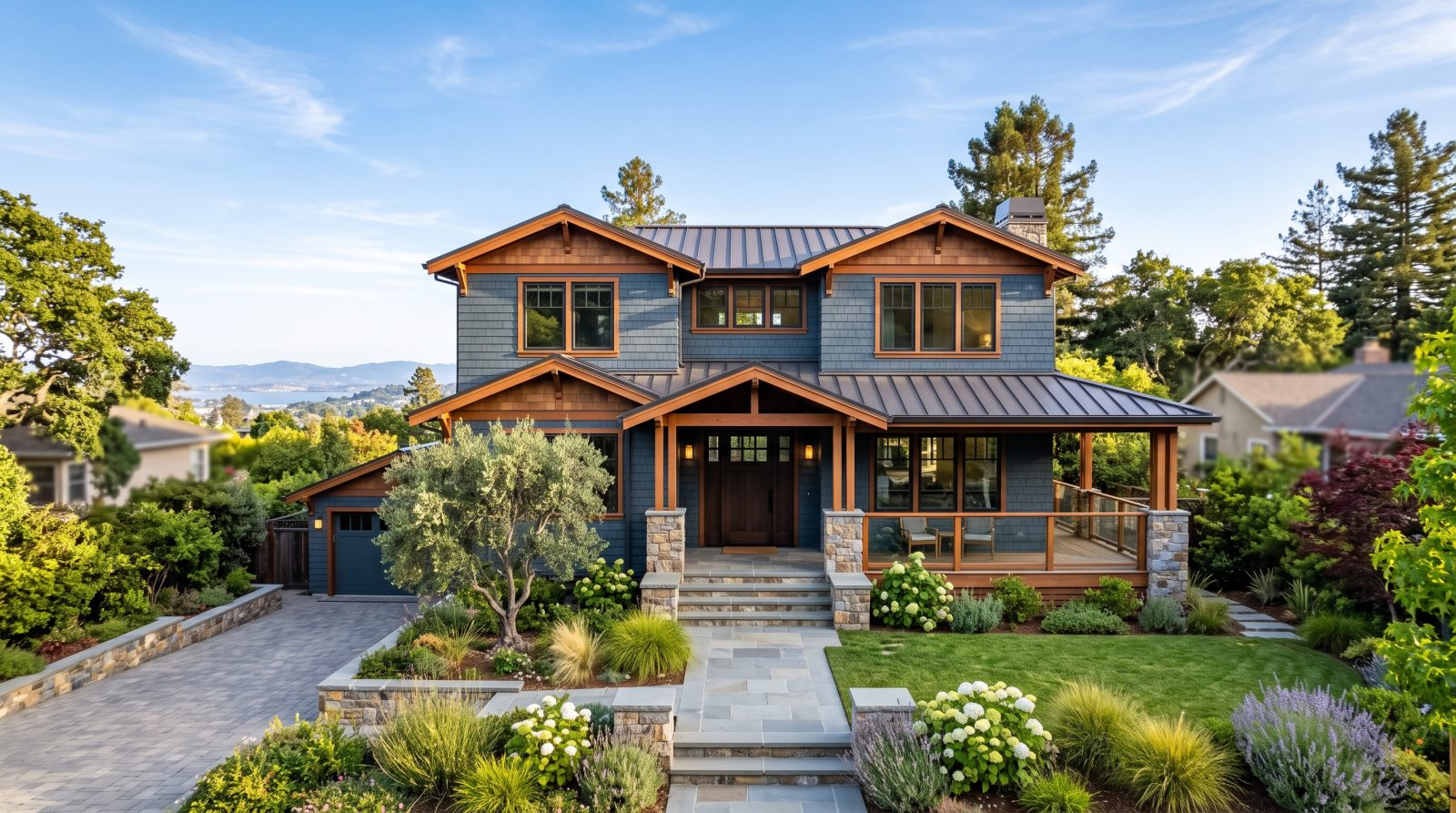
The city is also defined by its architecture. North Berkeley and the hills include brown-shingle 'First Bay Tradition' homes and Craftsman bungalows, the Elmwood and Claremont areas lean toward early-1900s Craftsman and period revival styles, and the flats of South and West Berkeley include Victorians, stucco bungalows, and mid-century cottages. Many of these homes have character details, original windows, and proportions worth preserving, which shapes how a remodel should be designed and detailed.
Two location-specific factors come up on many larger projects: seismic risk and a detailed regulatory environment. The Hayward Fault crosses Berkeley, so foundation condition, cripple-wall bracing, and soft-story concerns are common topics. Berkeley also has active zoning, design review, and preservation rules, plus hillside and fire-zone overlays in the hills. A general contractor who coordinates with the City early can help ensure the design that gets drawn is one that can actually be permitted.
What home remodeling services do Berkeley homeowners ask for most?
Because Berkeley homes are often older and lots can be compact, common projects tend to focus on modernizing what exists and adding usable space without losing the home's character. A general contractor typically coordinates the trades, scheduling, and permits so the project moves as one job rather than a series of disconnected fixes.
- Kitchen remodels, including opening up the small, closed-off kitchens common in older Berkeley homes while keeping period details where they matter
- Bathroom remodels and adding a bathroom, often involving updates to dated plumbing and waterproofing in homes built before modern standards
- Room additions and second-story additions, which can be shaped by Berkeley's lot sizes, setbacks, and design review
- Accessory Dwelling Units (ADUs) and garage conversions, of interest given Berkeley housing demand and statewide ADU rules
- Foundation repair and seismic retrofit, including cripple-wall bracing and bolting, which is especially relevant near the Hayward Fault
- Whole-home renovations of Craftsman, brown-shingle, and Victorian homes, balancing preservation with updated systems and energy efficiency
- Electrical and plumbing upgrades to replace knob-and-tube wiring or aging supply lines uncovered during a remodel
Do I need a permit to remodel in Berkeley, and how does it work?
Most structural, electrical, plumbing, and mechanical work in Berkeley requires a permit through the City of Berkeley Permit Service Center, which is part of the Planning and Development Department. Kitchen and bathroom remodels that move walls, plumbing, gas, or electrical, along with additions, ADUs, foundation work, and seismic retrofits, generally need permits. Simple cosmetic work like painting or replacing finishes often does not, but it is worth confirming because requirements change and your specific scope may differ.
Berkeley can add layers that some newer Bay Area cities do not. Projects can trigger zoning review for setbacks and height, design review in certain neighborhoods, and added scrutiny for older or potentially historic homes. Homes in the Berkeley Hills may fall within hillside or very-high fire-hazard zones, which can affect materials, defensible space, and review timelines. These steps are meant to protect the home and the neighborhood, but they take time, so it helps to build the review process into your schedule.
A reputable general contractor will typically pull the required permits under their own license and arrange inspections rather than asking you to do it as the homeowner. This page is educational and not legal advice; always verify current permit, zoning, and licensing requirements directly with the City of Berkeley before committing to a project.
What do remodeling projects typically cost in Berkeley?
The figures below are typical industry cost ranges for the Berkeley and broader Bay Area market, provided as estimates to help you plan a budget. They are not quotes. Bay Area labor and material costs tend to run higher than national averages, and older Berkeley homes can carry added cost for hidden conditions such as outdated wiring, failing plumbing, or foundation issues discovered once walls are opened. The most reliable way to get an accurate price is a detailed scope and a written estimate from a licensed contractor who has seen your home.
Use these ranges to gauge order of magnitude and to ask better questions, not to lock in a number. A realistic remodel budget also sets aside a contingency, often around 10 to 20 percent, because surprises are common in homes of this age.
- Bathroom remodel: roughly $25,000 to $60,000 or more, depending on size, whether plumbing moves, and finish level
- Kitchen remodel: roughly $50,000 to $130,000 or more, with high-end finishes and structural changes pushing higher
- Room addition: often around $400 to $700 or more per square foot in the Bay Area, varying with complexity and site access
- ADU or garage conversion: commonly $150,000 to $400,000 or more for a detached unit, and often less for a straightforward conversion
- Seismic retrofit (cripple-wall bracing and bolting): frequently $5,000 to $20,000 or more, depending on foundation condition and access
- Whole-home renovation: highly variable and scope-driven, with budgets for older homes needing systems updates often running into the several-hundred-thousand range
How do I choose and verify a Berkeley general contractor?
Start by confirming the contractor holds an active California State License Board (CSLB) license appropriate to the work, and verify it yourself on the CSLB website rather than taking it on faith. Ask for proof of liability insurance and workers' compensation coverage, and confirm the details for your project directly with the contractor. For Berkeley specifically, look for a contractor who has worked on older East Bay homes and who can speak clearly about the City's permit, zoning, and design review process.
Get more than one written estimate for the same defined scope so you are comparing like for like. A trustworthy contractor will usually walk your home, ask about hidden conditions, put the scope and payment schedule in writing, and explain how they handle permits, inspections, and change orders. Be cautious of unusually low bids, pressure to skip permits, or large upfront deposits; in California there are legal limits on down payments for home improvement contracts.
When you are ready, you can request a free quote through Contractors Near Me and we will help connect you with local Berkeley contractors for your project. The estimates and guidance here are educational, not a substitute for professional advice or a binding quote, and you should verify licensing, insurance, and permit requirements before work begins.