What does a Livermore general contractor actually do?
A general contractor in Livermore manages the full scope of a remodel or build: planning the work, pulling permits, scheduling and coordinating trades (framing, electrical, plumbing, HVAC, drywall, finishes), ordering materials, and keeping the project on track through final inspection. For homeowners, the value is having one accountable party who owns the timeline and the result instead of juggling separate trades yourself.
Because Livermore's climate runs hotter and drier inland than the coastal Bay, local projects often touch HVAC capacity, attic insulation, and shading or window upgrades more than a comparable San Francisco or Oakland remodel would. Contractors familiar with the Tri-Valley also tend to plan around the area's clay-heavy soils, which matter for foundations, additions, and hardscape.
A licensed general contractor coordinates the inspections that the City of Livermore Building Division requires at key stages, so the work is documented and signed off rather than left as undisclosed, unpermitted work that can complicate a future sale.
- Permitting and inspection coordination with the City of Livermore (or Alameda County for some unincorporated parcels)
- Scheduling and supervising licensed subcontractors and trades
- Material selection, ordering, and delivery logistics
- Structural, electrical, plumbing, and HVAC coordination for the whole job
- Keeping the project on budget and on schedule through final sign-off
Which Livermore neighborhoods and home types shape a remodel?
Livermore's neighborhoods vary enough that the same project can mean different work depending on where you live. Downtown and the older blocks near First Street include early-20th-century and historic homes where remodels may involve dated wiring, plumbing, and foundation work, plus extra care to preserve character; properties in designated historic areas can carry added design review.
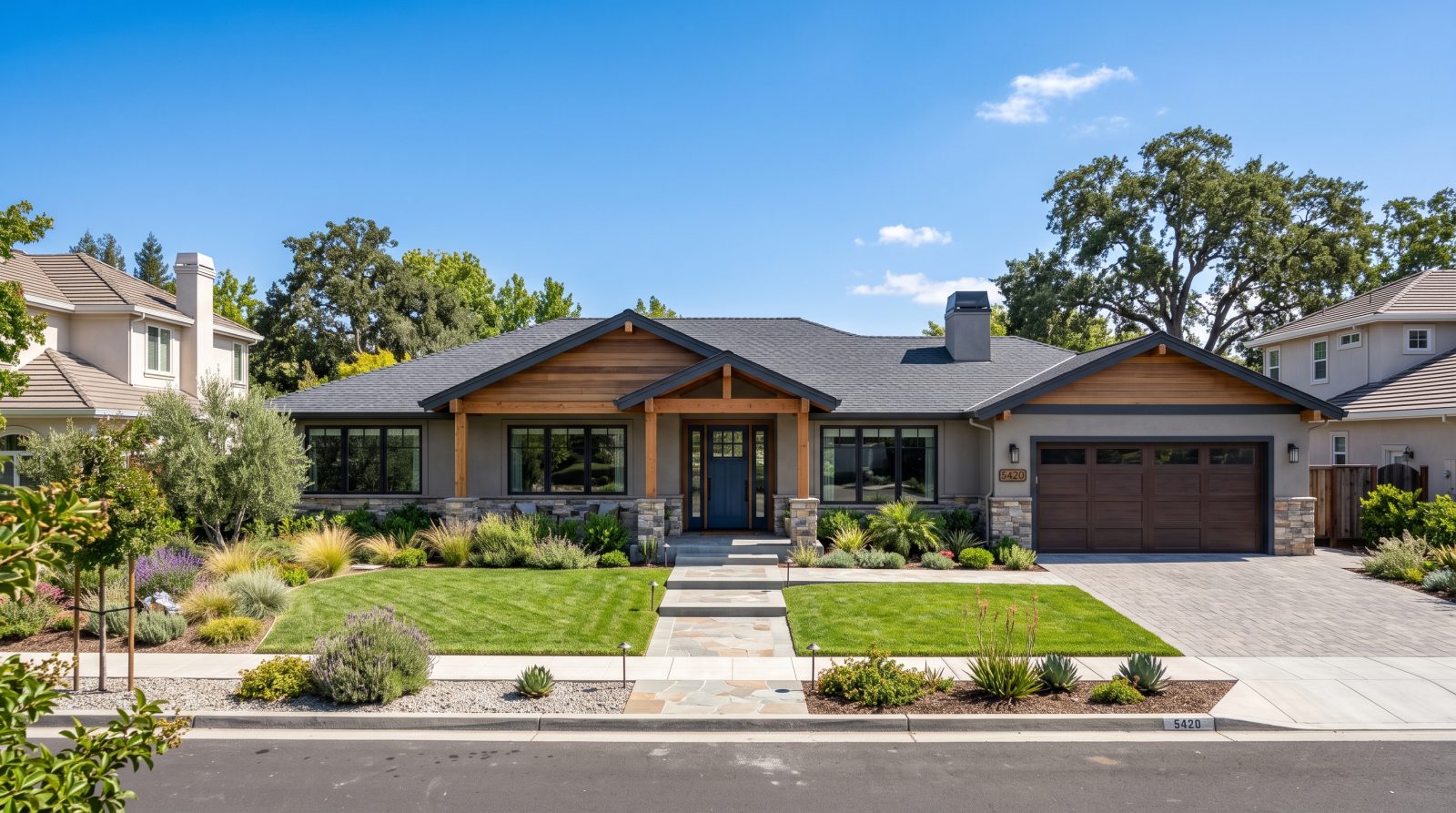
Large stretches of Livermore, including Springtown and the Sunset neighborhoods, are known for 1960s-70s ranch homes on sizable lots. These are popular candidates for kitchen and bath updates, opening up galley kitchens, and primary-suite additions, often requiring electrical panel upgrades to support modern appliances and HVAC.
The 1980s-2000s subdivisions and the newer homes toward the vineyards generally have more modern systems, so projects there lean toward finishes, layout changes, outdoor living, and ADUs rather than core-system overhauls. Larger lots and ranchettes along Vineyard Avenue and the South Livermore wine-country edge open up room for detached ADUs, shops, and pools, but may sit on septic or in the wildland interface where defensible-space and fire-resilient material choices come into play.
- Downtown / First Street historic homes: older systems, character preservation, possible design review
- Springtown and the Sunset neighborhoods: 1960s-70s ranch updates and additions
- 1980s-2000s subdivisions: finish-level remodels, layout changes, outdoor living, ADUs
- Vineyard Avenue and South Livermore wine country: larger lots, detached ADUs, possible septic and wildfire-interface considerations
What do remodels typically cost in Livermore?
The figures below are typical industry ranges for the Tri-Valley to help you plan; they are estimates, not quotes. Actual pricing depends on your home's age and condition, the scope and finish level you choose, structural or system upgrades uncovered during the work, and current material and labor costs. The only way to know your real number is a detailed, written quote from a licensed contractor after they assess your home.
Bay Area inland pricing tends to run higher than national averages because of labor costs and permit requirements, but often below the priciest coastal Bay submarkets. Older Livermore homes can carry extra cost when a project exposes outdated wiring, galvanized plumbing, or foundation issues that need to be addressed to pass inspection.
- Kitchen remodel: roughly $30,000-$90,000+ depending on layout changes, cabinetry, and appliances
- Bathroom remodel: roughly $15,000-$45,000+ depending on size and whether plumbing moves
- Room addition: commonly $250-$500+ per square foot depending on complexity and finishes
- Detached ADU: frequently $200,000-$400,000+ depending on size, site work, and utility connections
- Whole-home remodel: highly variable and best scoped room by room with a contractor
How do permits and the build timeline work in Livermore?
Most remodeling and construction inside the city goes through the City of Livermore Community Development Department and its Building Division, which reviews plans and issues permits for structural changes, electrical, plumbing, mechanical work, additions, and ADUs. Properties in unincorporated areas on Livermore's outskirts may instead fall under Alameda County's jurisdiction, so confirming who has authority over your parcel is an important first step. California has adopted statewide measures to streamline ADU approvals, but local zoning, setbacks, and utility connections still apply.
A typical timeline starts with design and planning, then permit submittal and review, then construction with inspections at framing, rough-in, and final stages. Simple bathroom or kitchen refreshes may run a few weeks once permits are in hand; additions and ADUs often take several months from design through final inspection, and permit review time varies with the season and project complexity.
This page is educational and not legal advice. Permit requirements, zoning, and licensing rules change, and your specific situation may differ, so verify current requirements with the City of Livermore or Alameda County and confirm any contractor's license status before signing a contract.
- Confirm whether the City of Livermore or Alameda County has jurisdiction over your property
- Permits are typically required for structural, electrical, plumbing, mechanical, and ADU work
- Plan for inspections at framing, rough-in, and final stages
- Verify the contractor's license and the permits your project needs before work begins
How do I choose and hire a contractor in Livermore?
Start by matching the contractor to your project and your home's era: a remodeler experienced with 1960s-70s ranch homes brings different know-how than someone who mostly builds in the newer vineyard-side subdivisions. Get written, itemized estimates from more than one contractor so you can compare scope, not just bottom-line price, and make sure each quote reflects the same work.
Confirm that the contractor holds an active California state license appropriate to the work and ask how they handle permits, inspections, change orders, and payment schedules. A clear written contract that spells out scope, timeline, materials, and how surprises are handled protects both sides, especially on older Livermore homes where opening up walls can reveal hidden conditions.
When you're ready, request a free quote through Contractors Near Me and we'll help connect you with a local Livermore contractor for your project. There's no obligation, and starting with a written estimate is the safest way to plan your remodel.
- Match the contractor's experience to your home's age and your project type
- Get itemized written estimates from multiple contractors and compare scope
- Verify an active, appropriate California contractor license
- Use a written contract covering scope, timeline, materials, and change orders
- Request a free quote to get connected with a local Livermore contractor