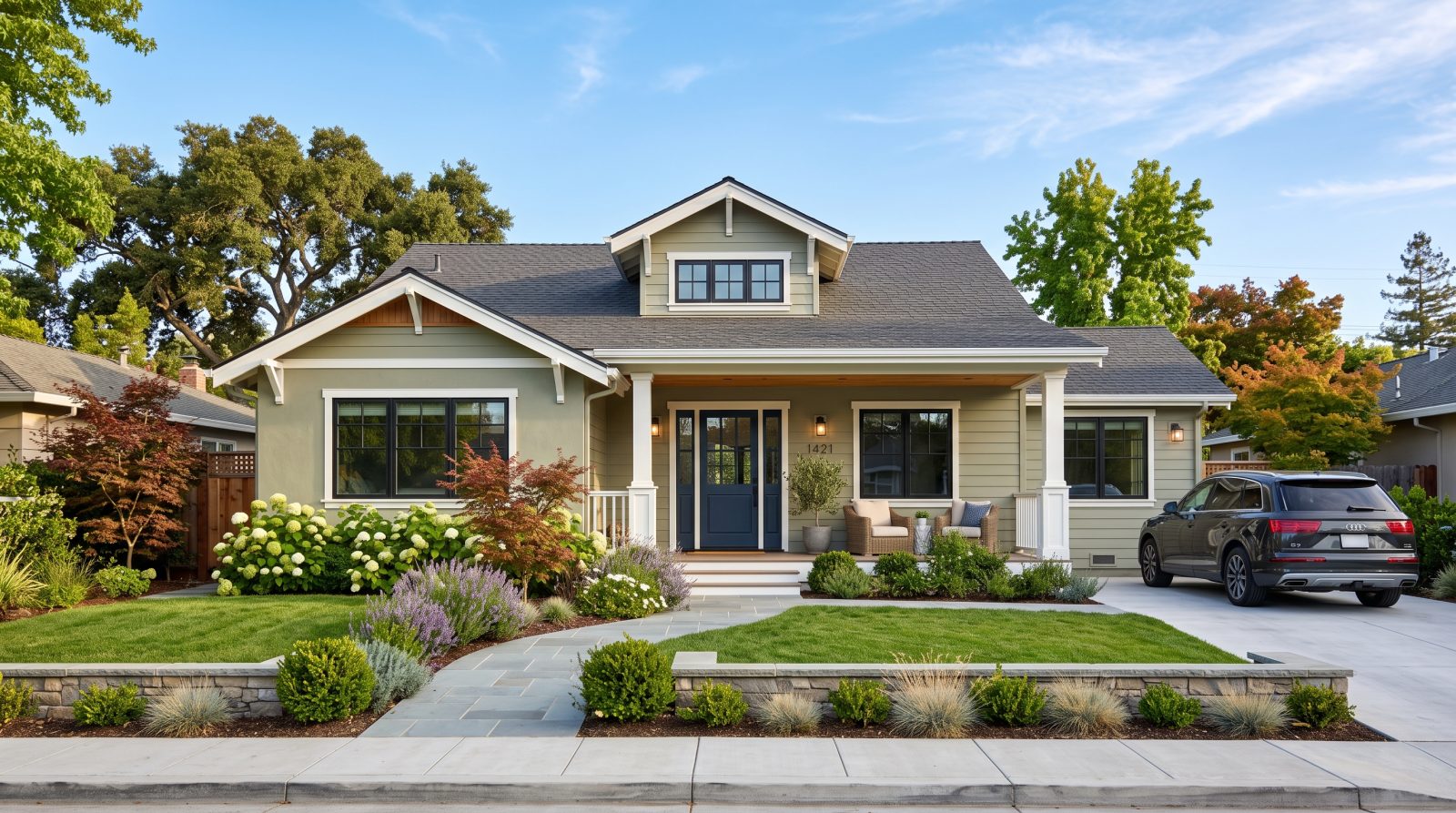
What does a general contractor do for a Burlingame home remodel?
A general contractor in Burlingame manages the full scope of a renovation: planning the work, pulling permits, scheduling and supervising subcontractors (electricians, plumbers, framers, finish carpenters), ordering materials, and coordinating required inspections. For most homeowners, the contractor is the single point of accountability from demolition through final sign-off.
Burlingame's housing stock makes this coordination especially relevant. Many homes in neighborhoods like Burlingame Park, Easton Addition, and Lyon-Hoag were built in the early 20th century, while areas like Ray Park were developed during and just after World War II with mid-century homes. Older homes here often need a contractor who can plan around knob-and-tube wiring, galvanized plumbing, plaster-and-lath walls, or foundations that predate modern code. A good contractor scopes these realities into the project early rather than discovering them mid-job.
Because Burlingame sits on the mid-Peninsula, contractors here routinely handle projects that mix preservation of original character (a common priority on the tree-lined streets near Burlingame Avenue and in heritage-tree neighborhoods like Easton Addition) with modern updates like open kitchens, updated electrical service, and energy-efficiency improvements.
- Pulls and manages City of Burlingame building permits and schedules inspections
- Hires and supervises licensed subcontractors for electrical, plumbing, and structural work
- Plans around older-home conditions common in Peninsula housing
- Coordinates materials, timeline, and budget as the homeowner's main point of contact
How do building permits work for remodels in Burlingame?
Most structural, electrical, plumbing, and mechanical work in Burlingame requires a permit from the City of Burlingame Building Division, which administers the locally adopted California building codes. Interior remodels that don't add habitable square footage (such as many kitchen and bathroom remodels, window replacements, and re-roofs) are typically handled as residential alterations, while first- and second-story additions are handled as residential additions. Cosmetic work like painting or replacing cabinets in the same footprint often does not require a permit, but homeowners should always verify the current requirements with the city before starting.
Additions and larger remodels may also involve planning review for zoning, setbacks, height limits, and lot coverage, and some projects fall under design review depending on scope and location. Burlingame has neighborhoods with strong architectural character, so exterior changes can draw extra scrutiny. Timelines vary with project size and how complete the submitted plans are; minor permits move faster than projects that need planning or design review.
Permit and licensing requirements change, so treat the details here as general guidance, not legal advice. Confirm specifics directly with the City of Burlingame and consider whether your project needs licensed design professionals. A reputable general contractor will pull permits under their own license rather than asking the homeowner to act as an owner-builder, which shifts liability to you.
- Permits typically come from the City of Burlingame Building Division
- Additions and exterior changes may also need planning, zoning, or design review
- Cosmetic-only work often needs no permit, but verify before you start
- Always confirm current rules with the city; this is general information, not legal advice
What home remodeling projects are common in Burlingame?
Given the age and style of Burlingame homes, certain projects come up again and again. Kitchen remodels are among the most requested, often involving reconfiguring closed-off layouts in older homes into more open, connected spaces while updating wiring and plumbing to current code. Bathroom remodels are similarly common, frequently paired with upgrading aging supply and drain lines.
Whole-home renovations and additions are popular on the Peninsula, where lot sizes and land values make expanding an existing home a practical alternative to moving. Homeowners in established neighborhoods like Burlingame Park or Ray Park often weigh additions, second-story expansions, or accessory dwelling units (ADUs) against local setback, height, and lot-coverage rules. Foundation and structural work also appears regularly, both for additions and for retrofitting older homes.
Energy and systems upgrades round out the list: electrical service and panel upgrades to support modern appliances and EV charging, window and insulation improvements, and HVAC updates. Many of these tie into a larger remodel so the contractor can sequence them efficiently rather than opening walls twice.
- Kitchen remodels, often opening up older closed layouts
- Bathroom remodels with updated plumbing and finishes
- Additions, second stories, and ADUs subject to local zoning rules
- Foundation, structural, and whole-home renovation work
- Electrical, window, insulation, and HVAC upgrades
What do remodeling projects typically cost in Burlingame?
Remodeling costs in Burlingame and the surrounding Bay Area tend to run higher than national averages because of regional labor rates, material costs, and stricter code requirements. The points below describe typical industry ranges offered as estimates for planning purposes only; they are not quotes, and your actual price depends on scope, finishes, the condition of your existing home, and current market conditions. The only way to know your number is to get a written quote from a contractor who has seen your space.
Several Burlingame-specific factors push costs up or down. Older homes may need unexpected work once walls are opened (outdated wiring, plumbing, or framing), which can affect budgets. Projects requiring planning or design review, or those in neighborhoods with stronger architectural expectations, can carry higher design and approval costs. Conversely, keeping plumbing and electrical in their existing locations and choosing mid-range finishes helps control spending.
Build a contingency into your budget. For older Peninsula homes especially, many homeowners set aside an extra cushion for surprises uncovered during demolition. Ask any contractor to spell out what's included, what's an allowance, and how change orders are handled before you sign.
- Bathroom remodel: a common mid-range project; full gut remodels cost more (estimate, not a quote)
- Kitchen remodel: typically one of the larger line items, scaling with layout changes and finishes
- Room additions and ADUs: priced per square foot and highly scope-dependent
- Treat all figures as typical industry ranges for planning; get a written quote for your actual price
- Budget a contingency for surprises common in older homes
How do you vet a general contractor in Burlingame?
Start by confirming the contractor is properly licensed in California for the work you need, and verify their license status yourself through the California Contractors State License Board (CSLB). Ask whether they carry appropriate insurance and bonding, and request to see current documentation rather than taking it on faith. Verifying licensing, permits, and insurance is the homeowner's responsibility and protects you if something goes wrong.
Look for a contractor with genuine experience on Peninsula homes similar to yours, especially if you own an older Burlingame property where pre-WWII construction methods are common. Ask how they handle permits with the City of Burlingame, how they communicate during the project, and how they document scope and change orders. A clear written contract, a realistic timeline, and itemized estimates are signs of a professional operation.
Get more than one quote so you can compare scope and approach, not just price. Be cautious of pressure to skip permits or to have you pull them as an owner-builder. When you request a free quote through Contractors Near Me, we connect you with local contractors so you can compare options for your Burlingame project and make an informed choice.
- Verify the contractor's license yourself via the CSLB
- Confirm insurance and bonding with current documentation
- Ask about experience with older Peninsula homes and City of Burlingame permits
- Get multiple written quotes and a clear contract before work begins
- Be wary of anyone urging you to skip permits